Antonio Saura
about Antonio Saura
Huesca, 1930
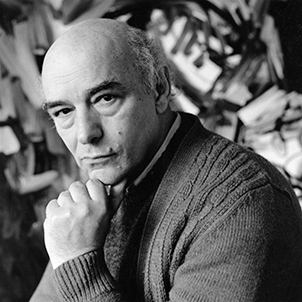
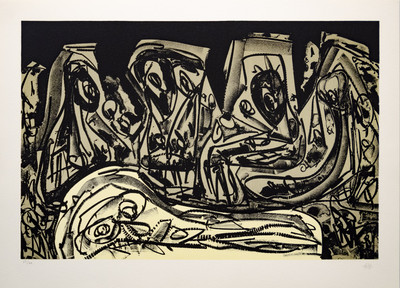
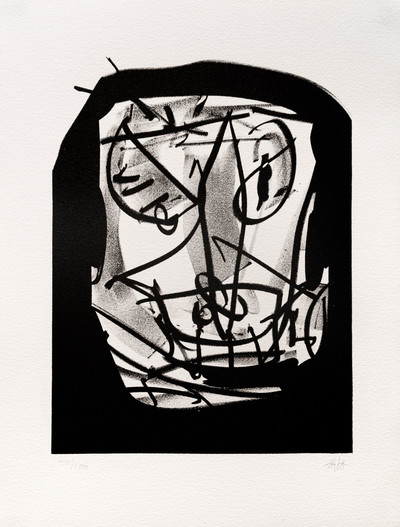
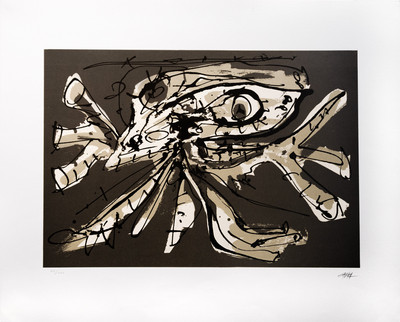
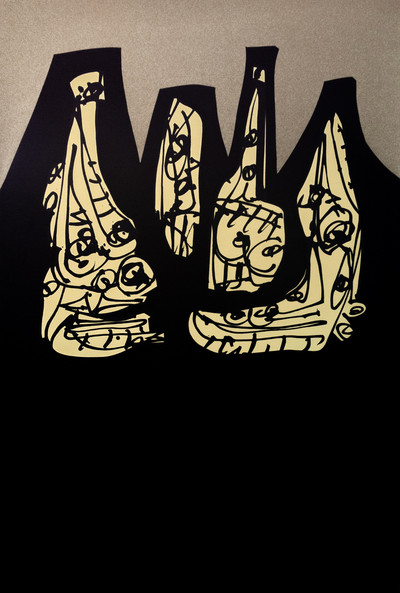
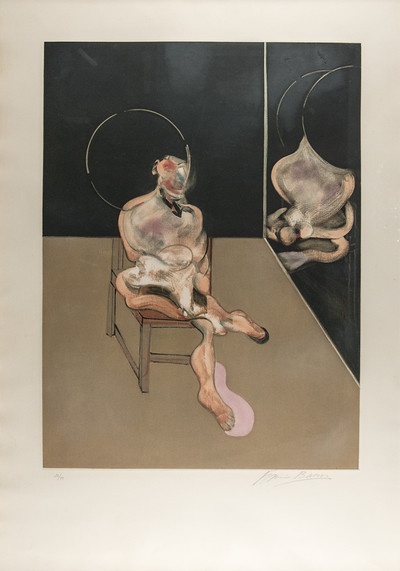
Antonio Saura (Huesca, 1930 - Cuenca, 1998) was one of the great renovators of 20th-century Spanish painting and a key figure in postwar European art.
Self-taught, he began painting within a surrealist framework but soon evolved toward a form of gestural and expressionist abstraction, characterized by an austere palette (black, grey, white, and ochre) and by a contained energy that turned each stroke into an emotional and political assertion. A founder of the El Paso group (1957), Saura advocated for a profound, intense, and existential painting practice, understood as an act of resistance against the cultural repression of the Franco regime.
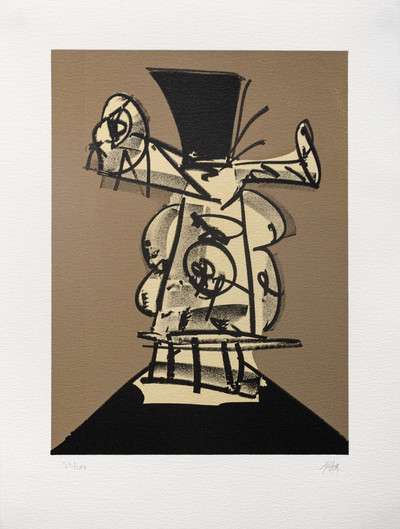
His artwork is structured through major series (Crucifixions, Damas, Imaginary Portraits, Crowds, Dogs) in which he explored the human figure through expressive distortion, psychological tension, and the symbolic force of gesture.
From the 1970s onward, he expanded his activity into writing, drawing, and stage design, while maintaining his role as a critical intellectual voice. His late production, especially the Dora Maar series, is considered one of the highlights of his career, where he pushed his visual language and humanistic vision to their fullest expression.
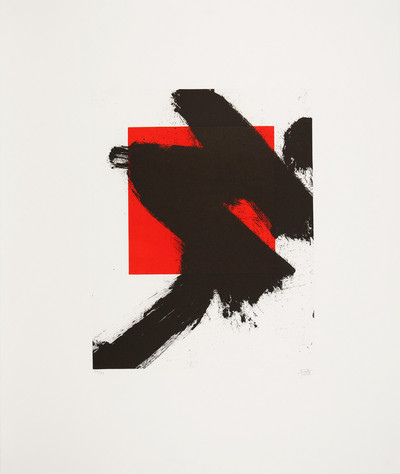
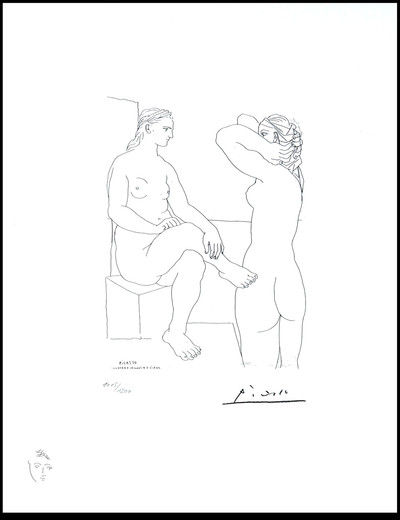
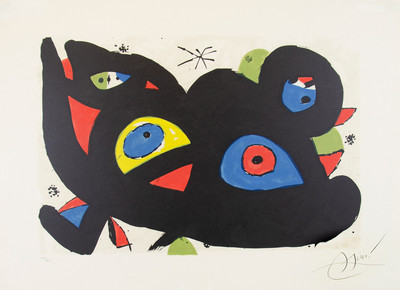
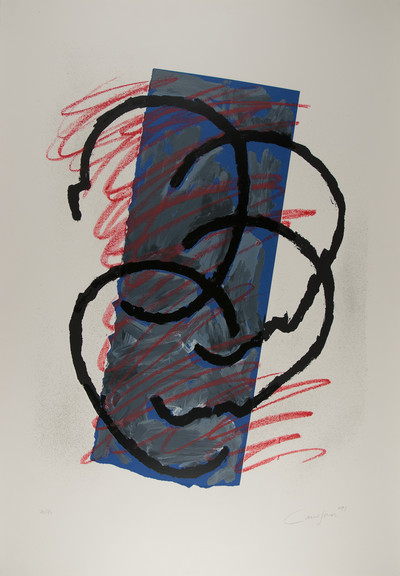
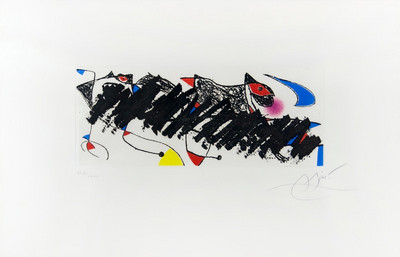
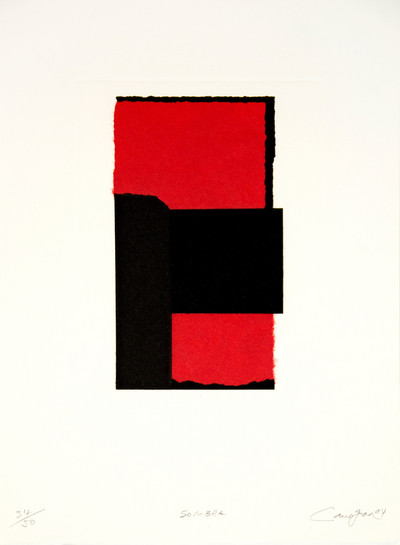
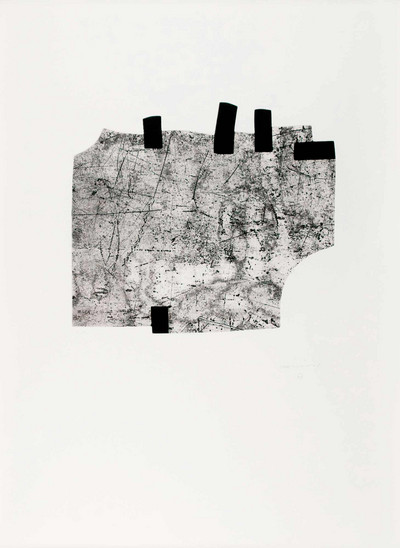
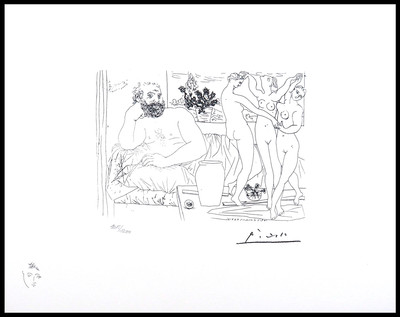
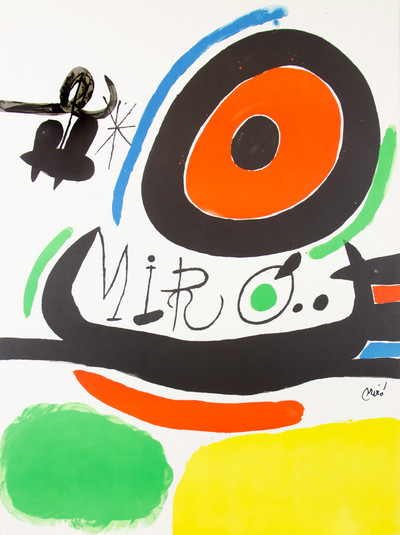
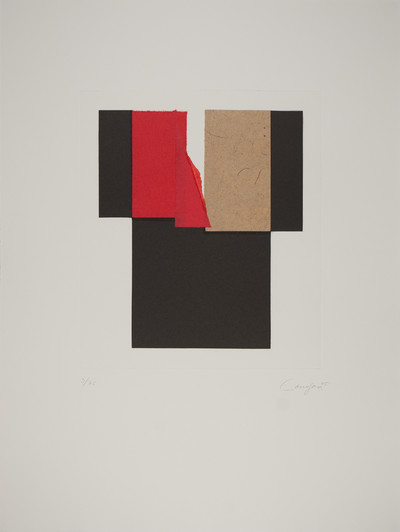
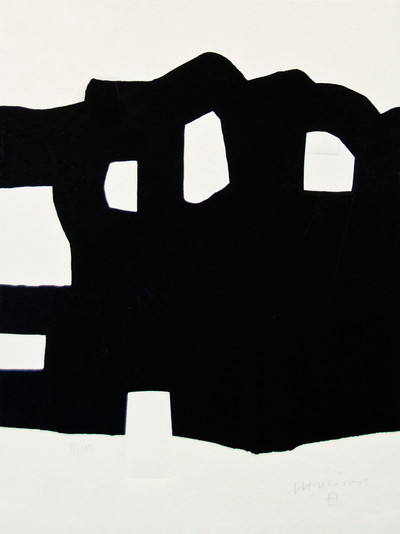
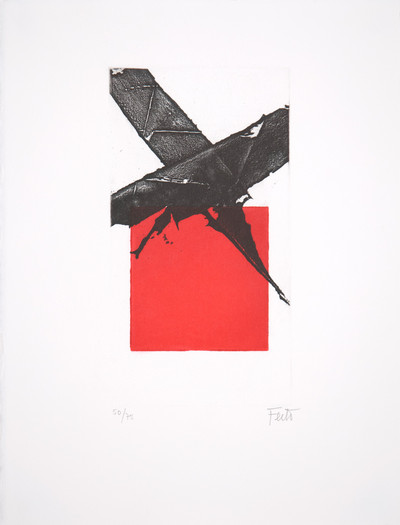
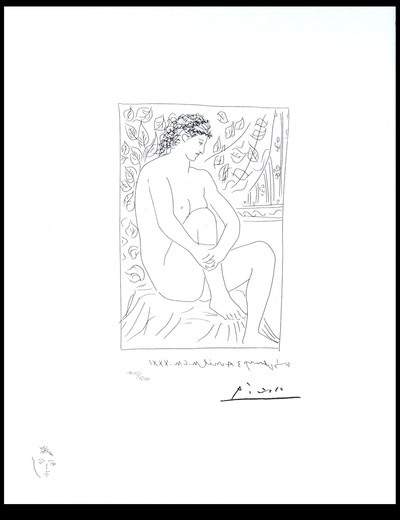
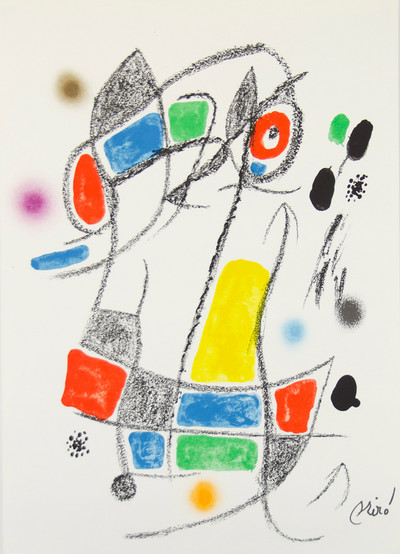
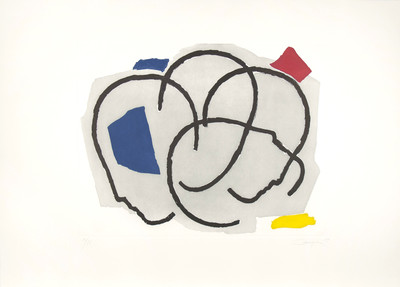
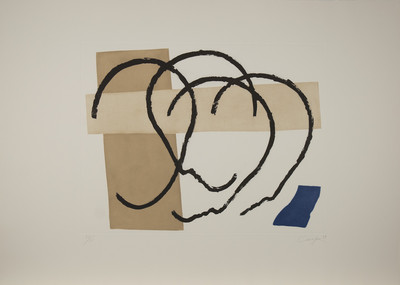
Other works of the exposition Great Masters of Graphic Work
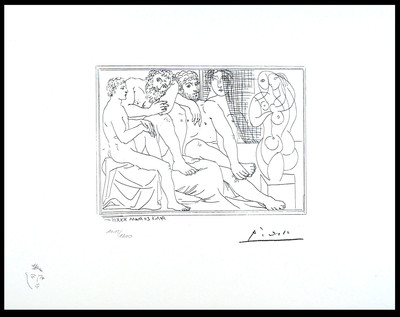
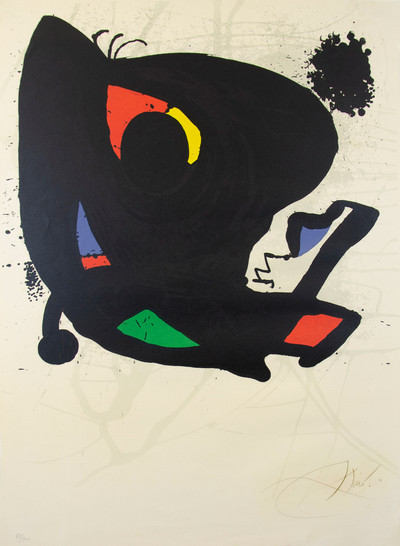
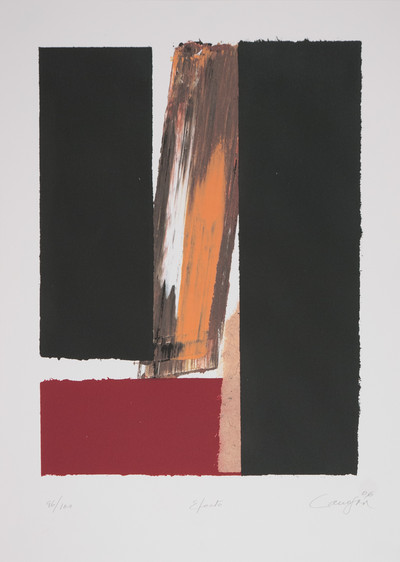
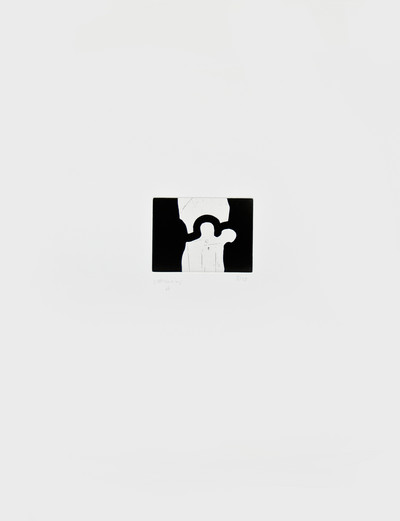

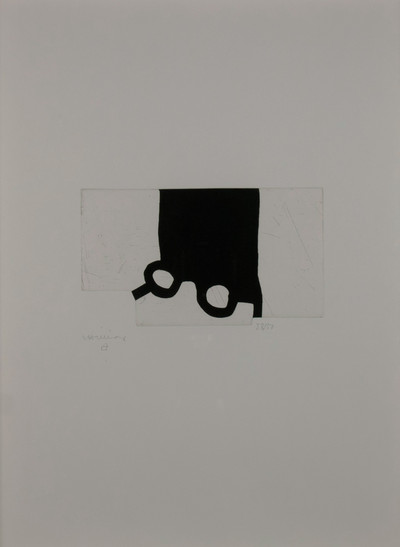
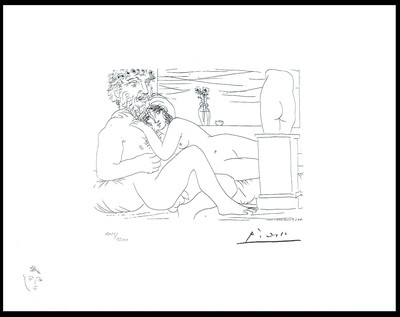
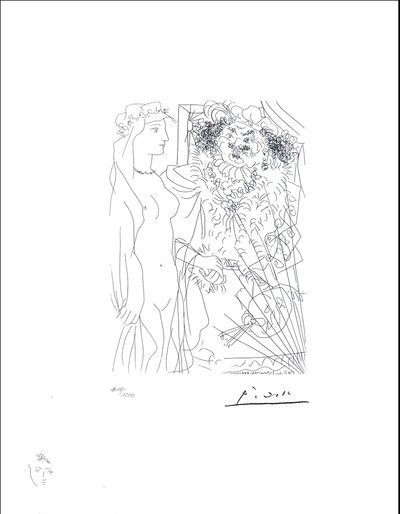
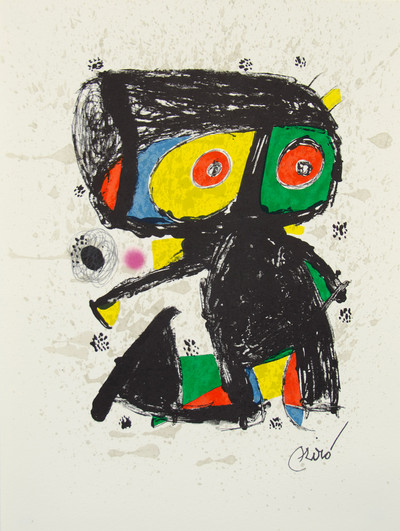
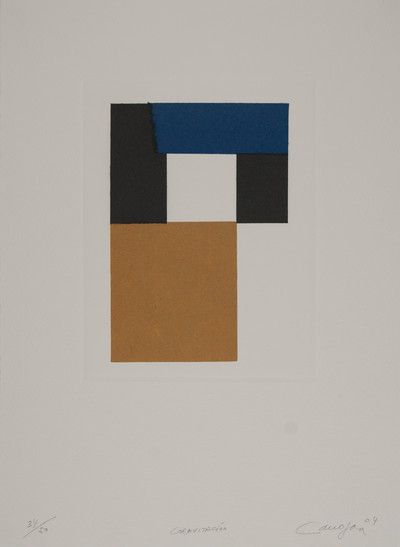
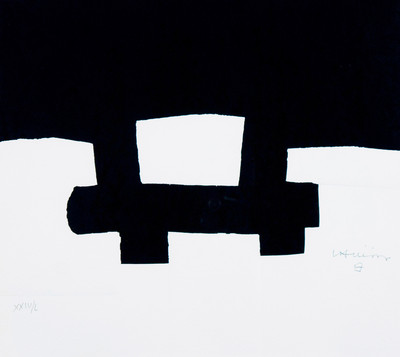
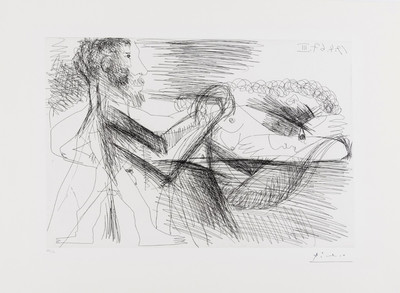
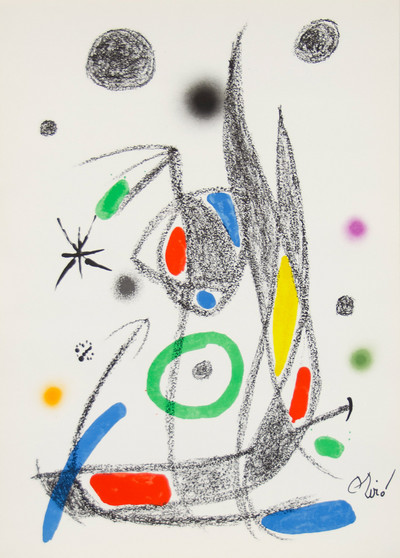

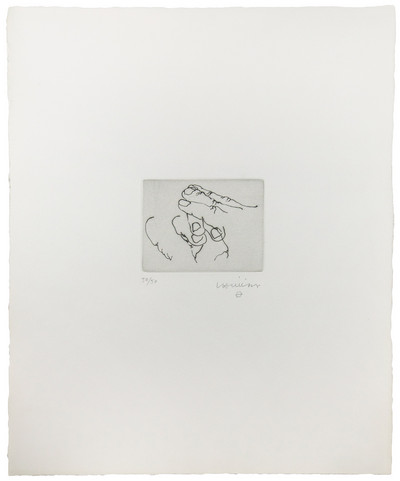
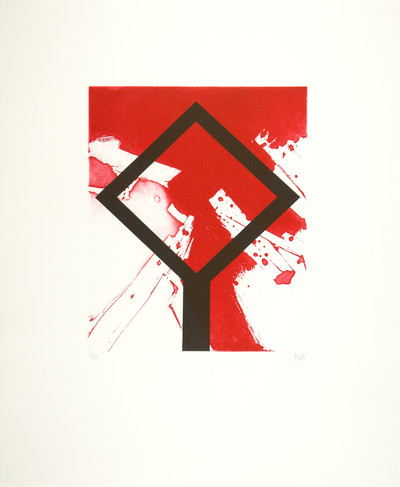
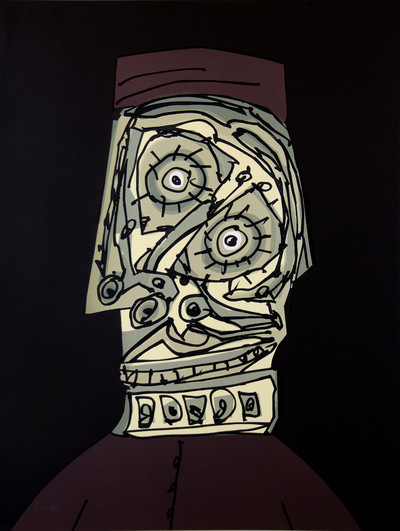
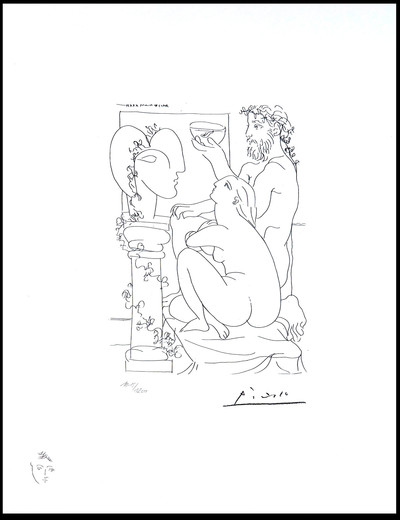
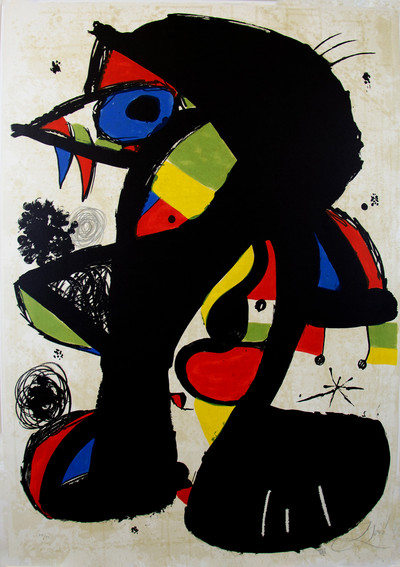
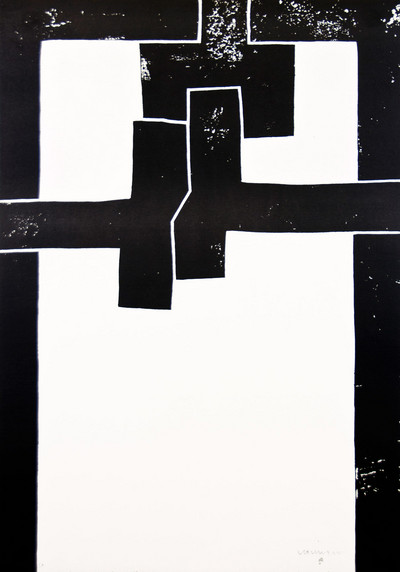
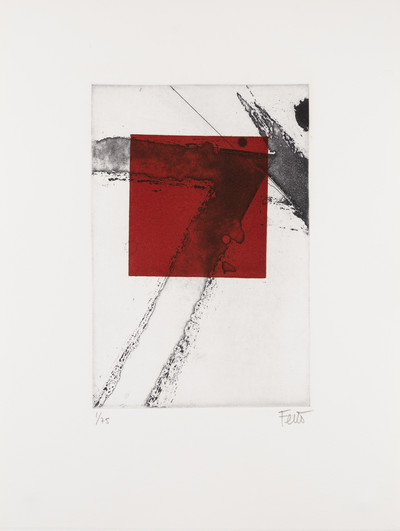
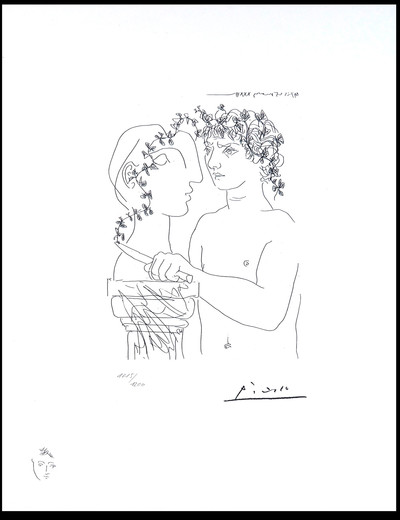
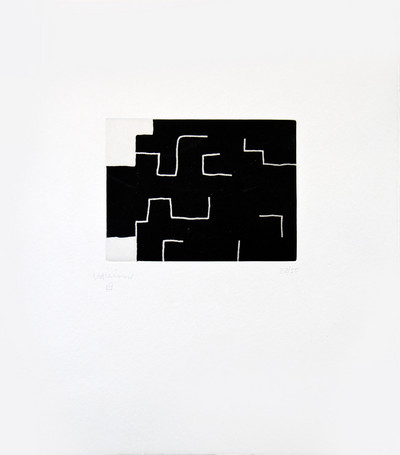
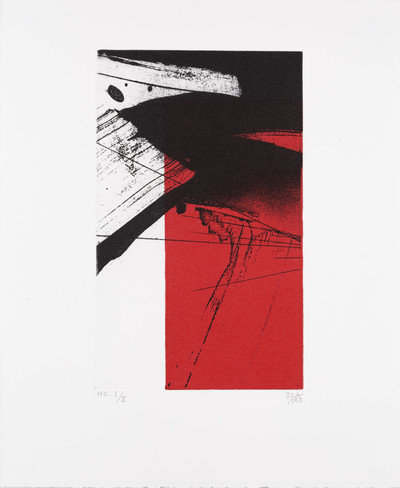
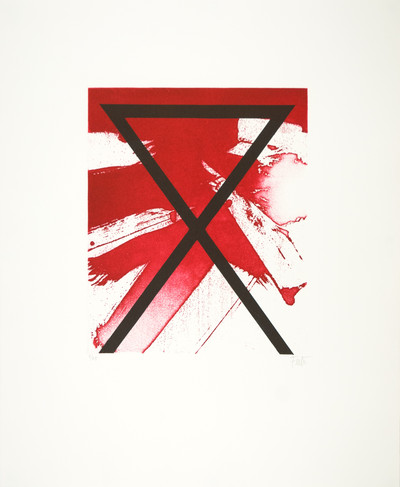
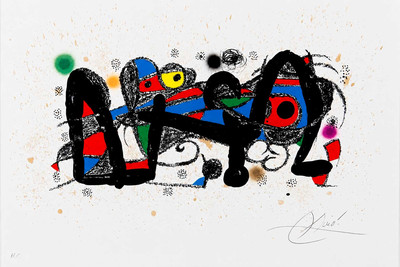
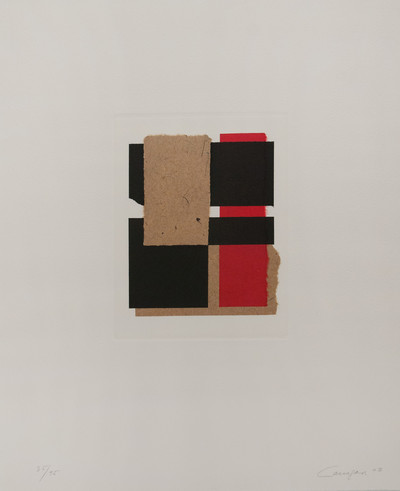
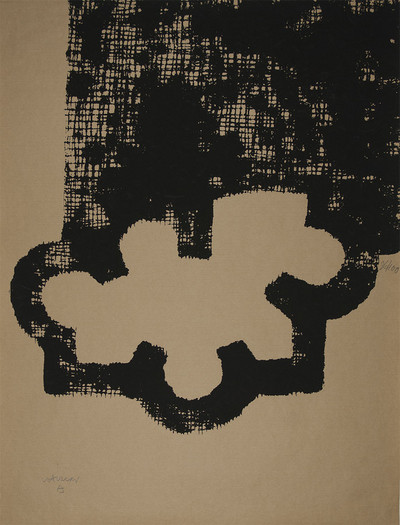
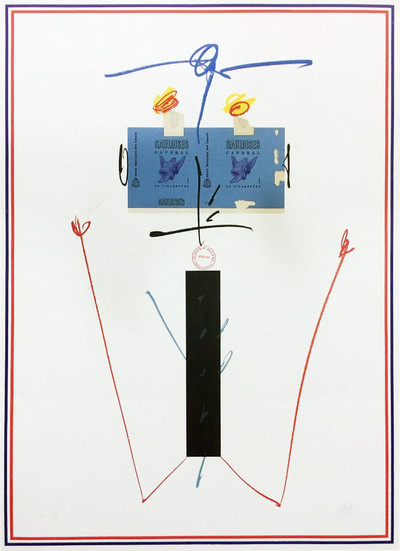
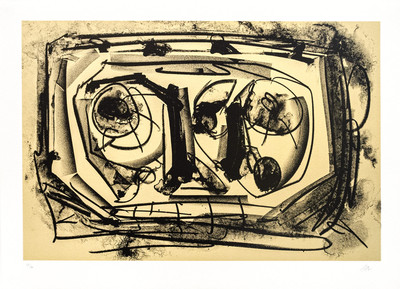
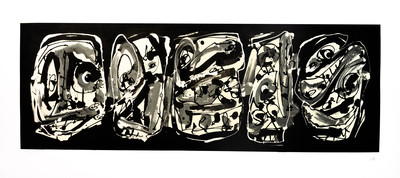
Antonio Saura's works
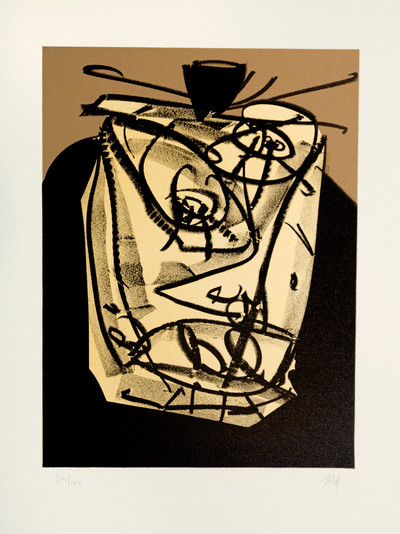
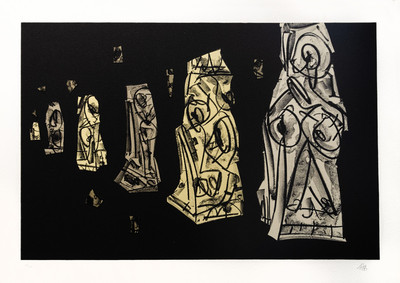
Featured works

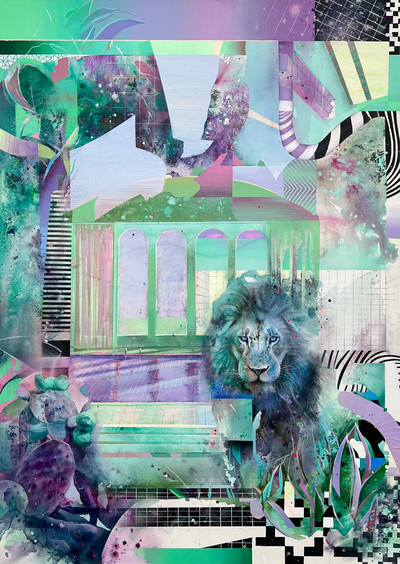
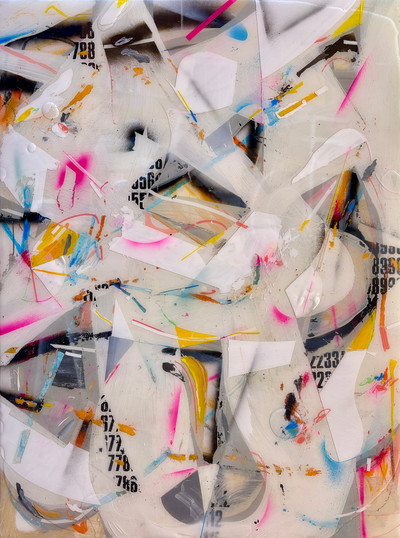
Richard García
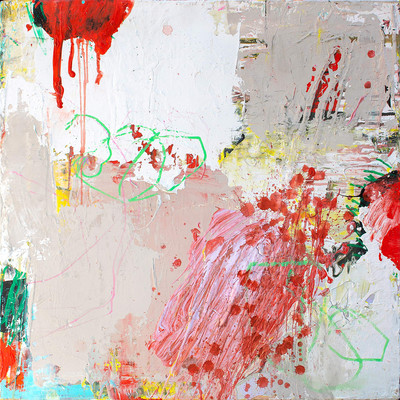
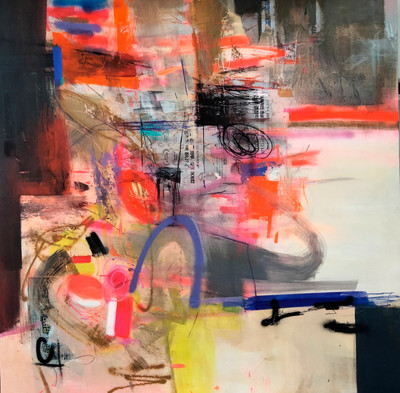
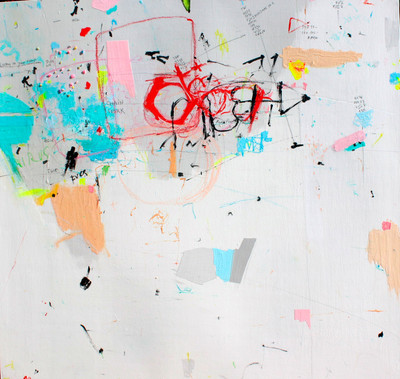
Postmemoria del Edén, 2025
Acrílico, rotulador, lápices, spray sobre tabla
140 x 100 cm
€6,050.00
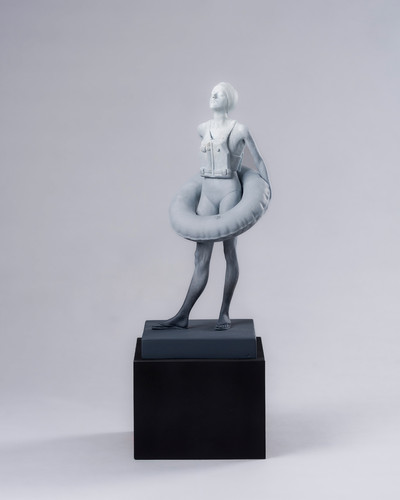
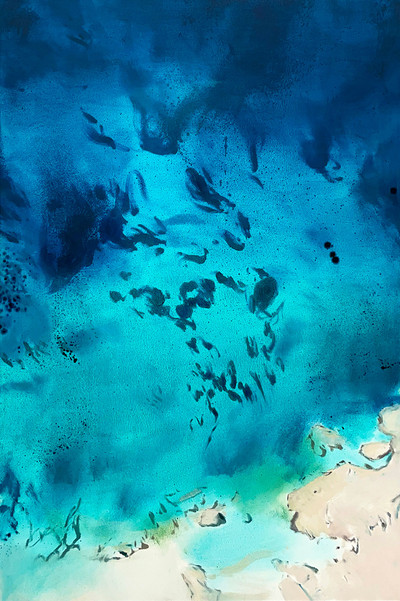
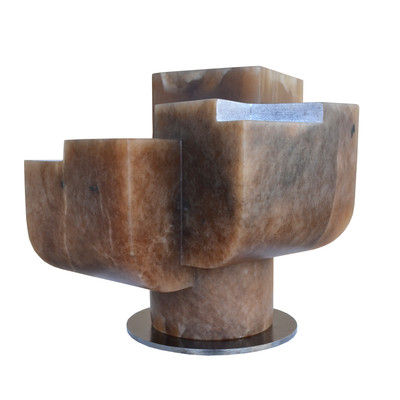
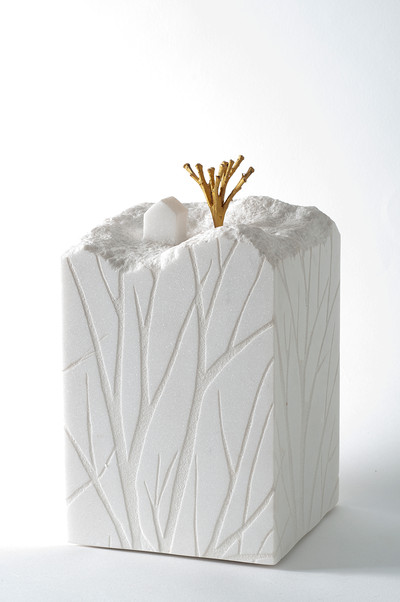
Ángel Celada
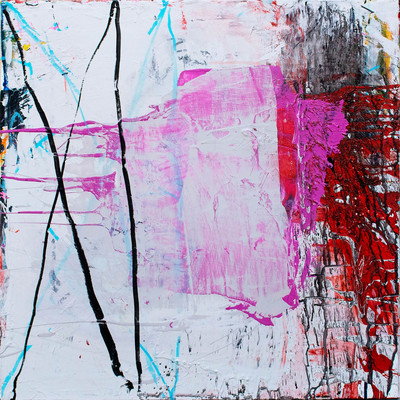
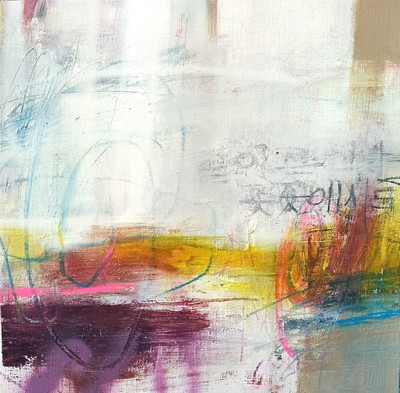
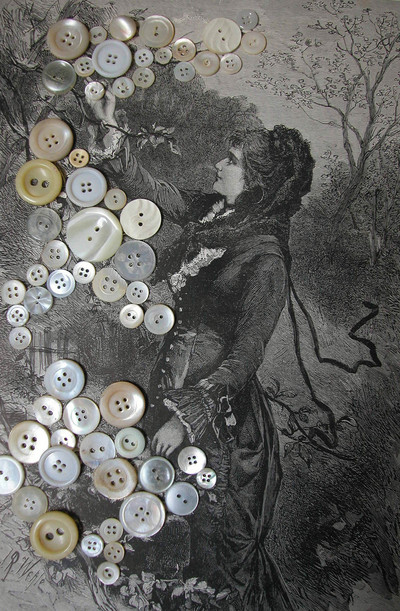
Superposiciones, 2025
Acrílico, óleo, spray, collage, pintura y resina sobre tabla
80 x 60 cm
€1,700.00
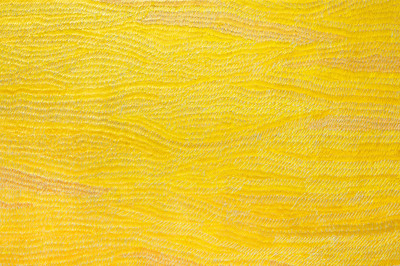
Isabela Puga
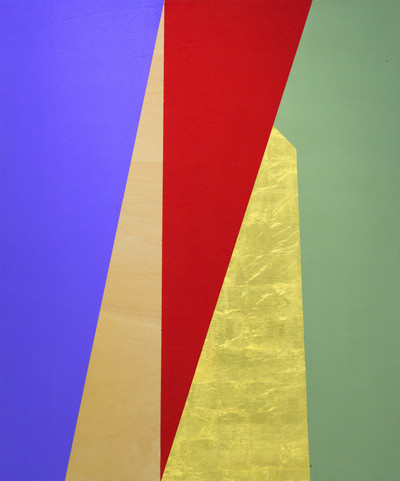
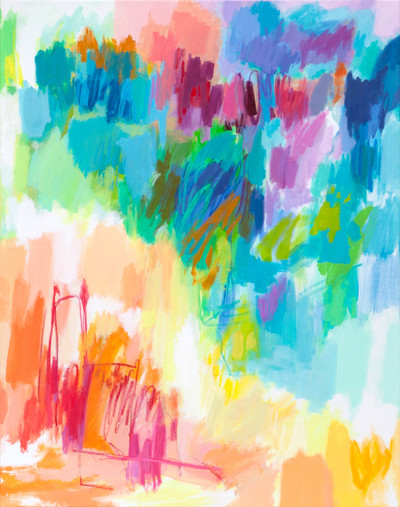
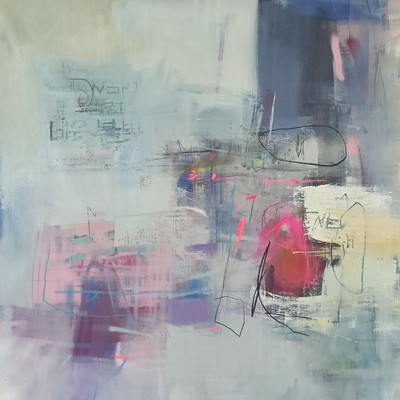
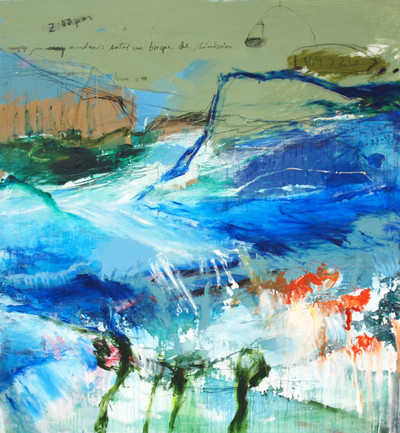
M_CB_13, 2024
Caseína, cola de conejo y oro 22 quilates sobre madera
120 x 100 x 4 cm
€4,900.00

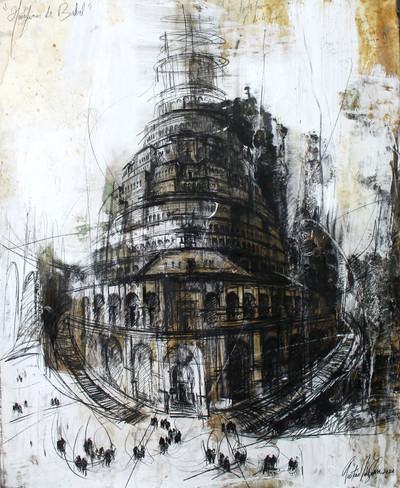
Lantomo
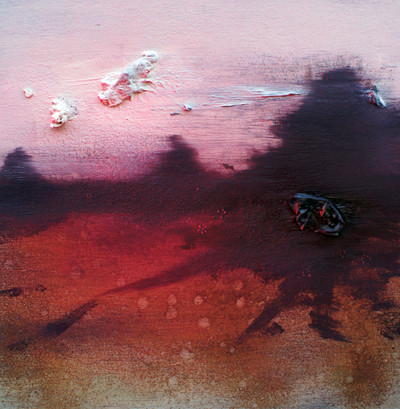
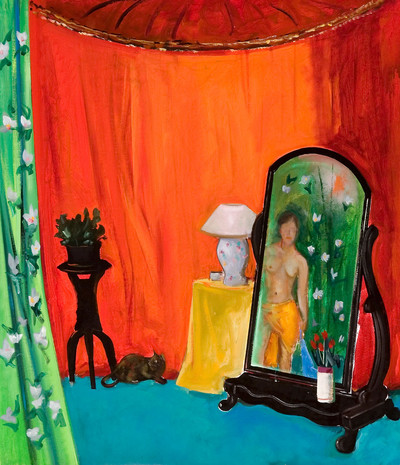
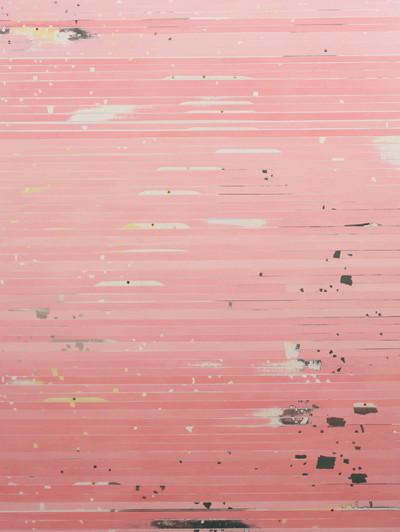
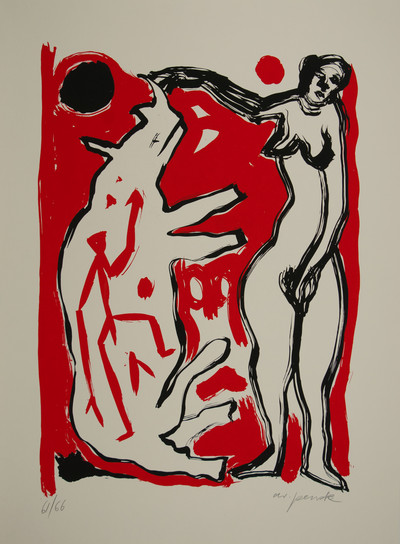
Fur collar, 2025
Grafito, carbón, lapices de color y agua cola sobre papel montado en panel de madera
73 x 54 cm
€3,030.00
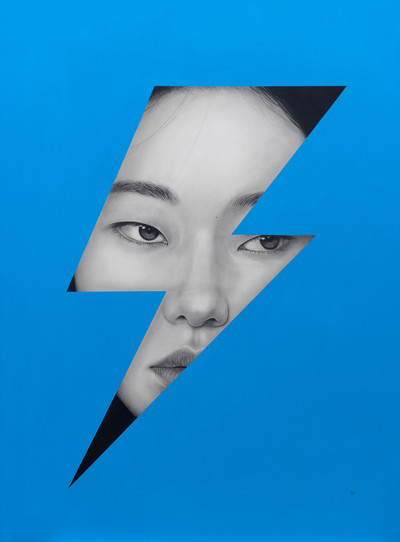
Lantomo
Flash, 2023
Grafito, carboncillo y acrílico sobre papel montado en panel de madera
73 x 54 cm
€2,790.00
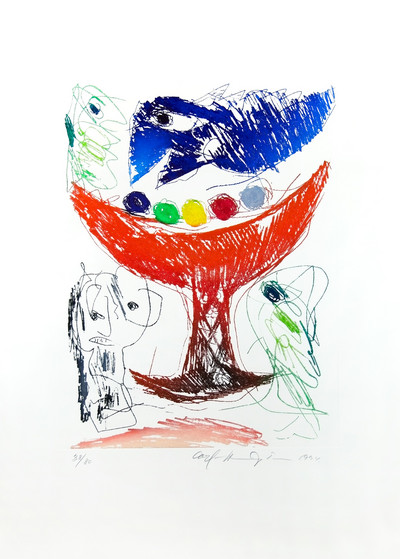
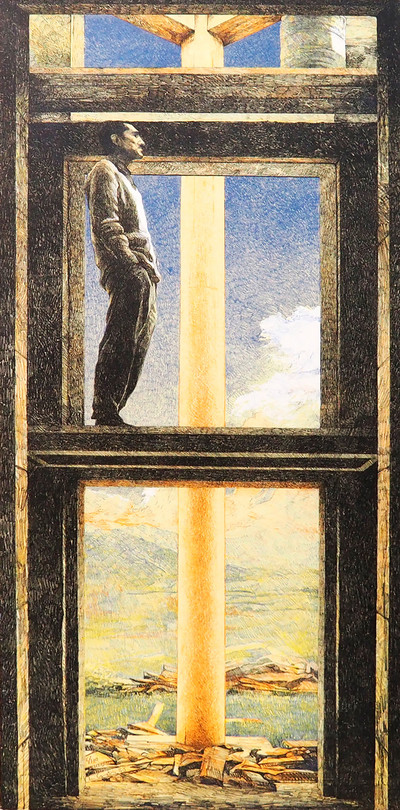
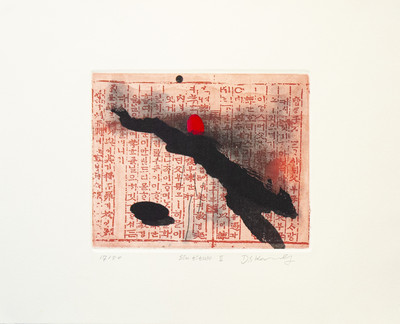
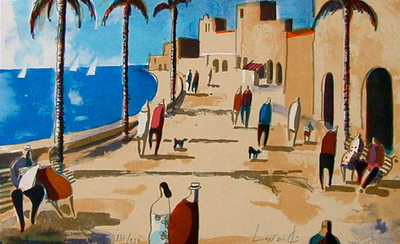
Fernando Bellver
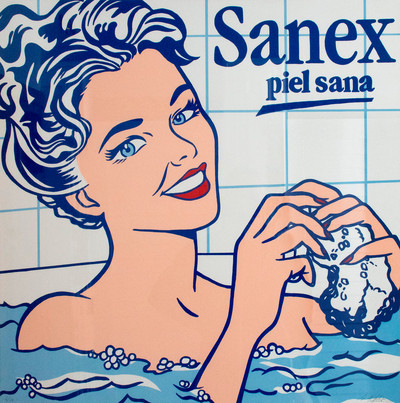
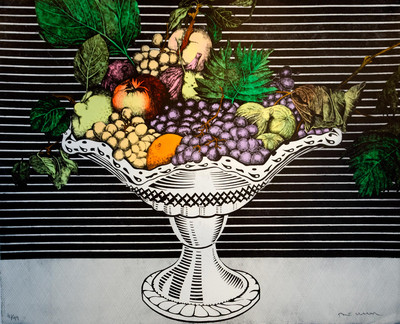
Caravaggio & Lichtenstein (frutero), Serie Bodegones, 1988
Aguafuerte iluminado
117 x 97 cm
€1,580.00
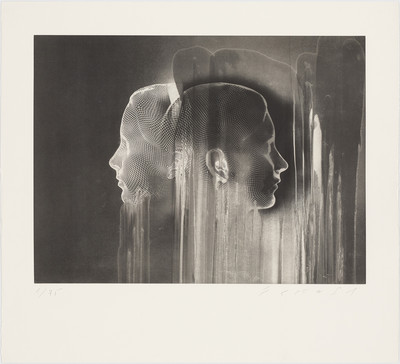
Jaume Plensa
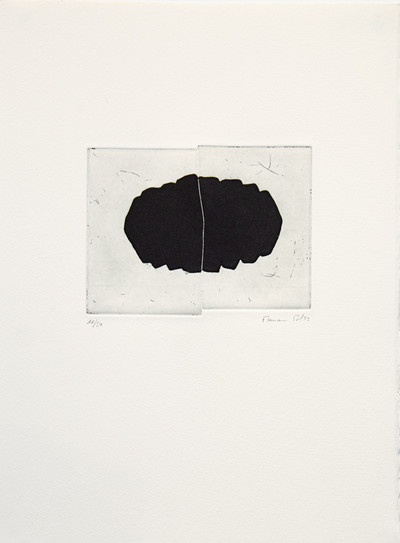
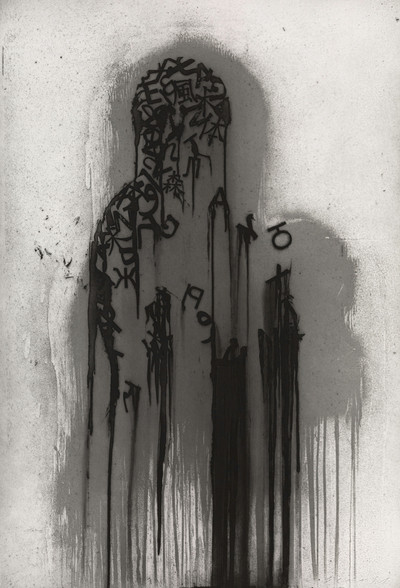
Reflejos VIII, 2024
Grabado sobre plancha de polímero fotosensible y Chine-collé sobre papel
65 x 71 cm
€2,750.00
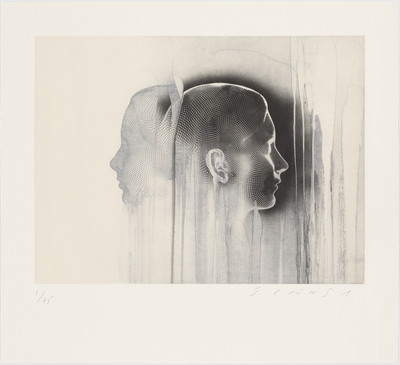
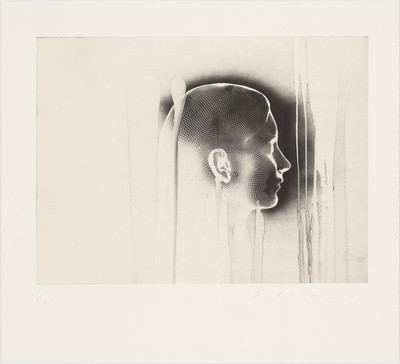
Jaume Plensa
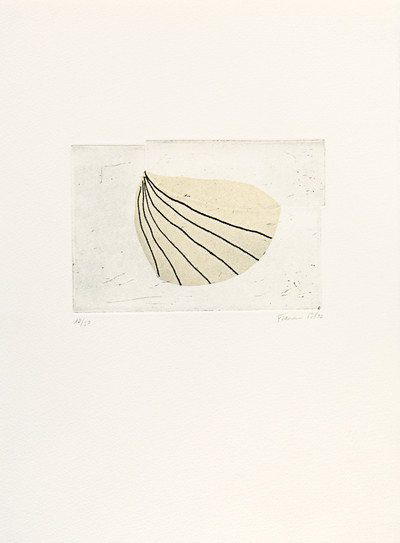
Reflejos II, 2024
Grabado sobre plancha de polímero fotosensible y Chine-collé sobre papel
65 x 71 cm
€2,750.00