Delivery term:
Certificate of authenticate: Signed by the gallery seller
Purchasing process: 100% security

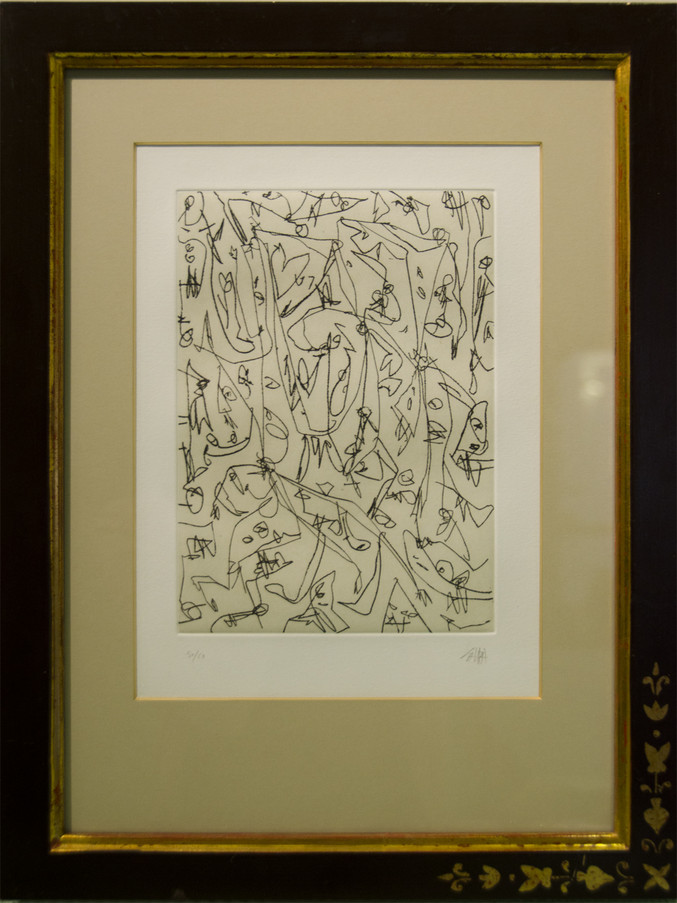
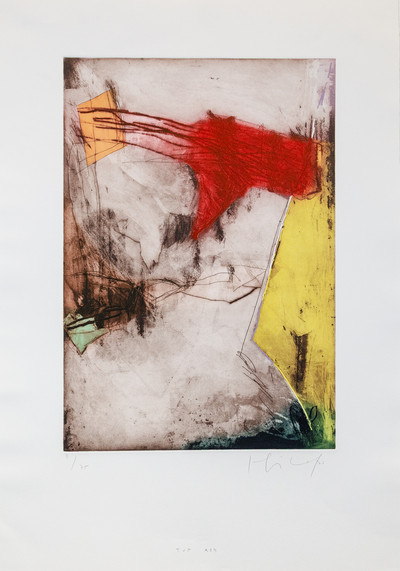
€880.00
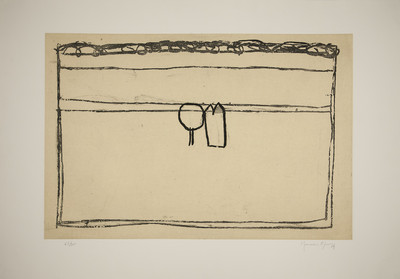
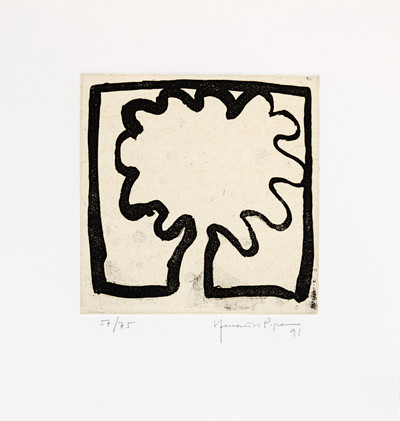
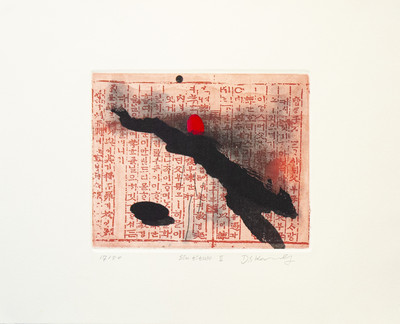
Etching
31 x 20 cm
Delivery term:
Certificate of authenticate: Signed by the gallery seller
Purchasing process: 100% security
This artwork is available and will be delivered after the confirmation of your order. The transport includes the insurance for the value of the piece with full coverage of any incident.
You can pay by credit card, debit card or bank transference. The payment is completely secure and confidential, all the purchasing processes in Art Madrid MARKET are protected by a security protocol under an encrypted SSL certificate and 3DSecure by Visa and MasterCard.
You have 14 days to find the perfect place for your artwork. If you change your mind, you can return it and we will reimburse the price you paid. You will only have to bear the shipping costs of the return.
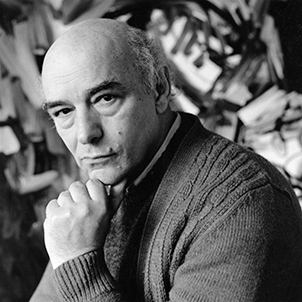
Huesca, 1930
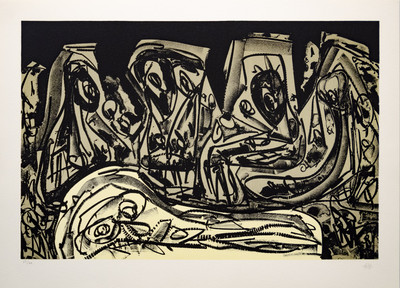
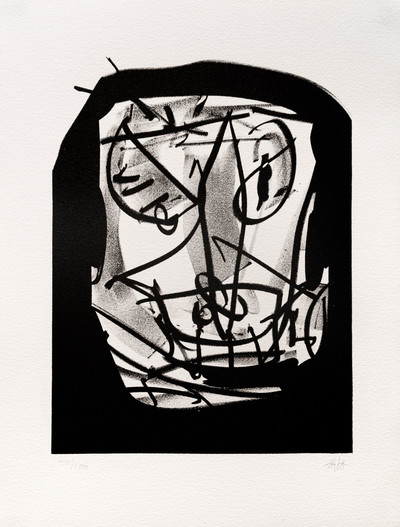
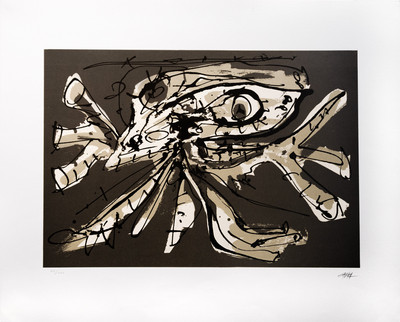
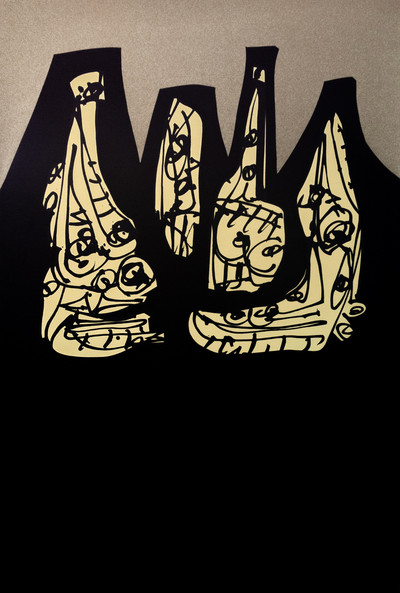
Antonio Saura (Huesca, 1930 - Cuenca, 1998) was one of the great renovators of 20th-century Spanish painting and a key figure in postwar European art.
Self-taught, he began painting within a surrealist framework but soon evolved toward a form of gestural and expressionist abstraction, characterized by an austere palette (black, grey, white, and ochre) and by a contained energy that turned each stroke into an emotional and political assertion. A founder of the El Paso group (1957), Saura advocated for a profound, intense, and existential painting practice, understood as an act of resistance against the cultural repression of the Franco regime.
His artwork is structured through major series (Crucifixions, Damas, Imaginary Portraits, Crowds, Dogs) in which he explored the human figure through expressive distortion, psychological tension, and the symbolic force of gesture.
From the 1970s onward, he expanded his activity into writing, drawing, and stage design, while maintaining his role as a critical intellectual voice. His late production, especially the Dora Maar series, is considered one of the highlights of his career, where he pushed his visual language and humanistic vision to their fullest expression.
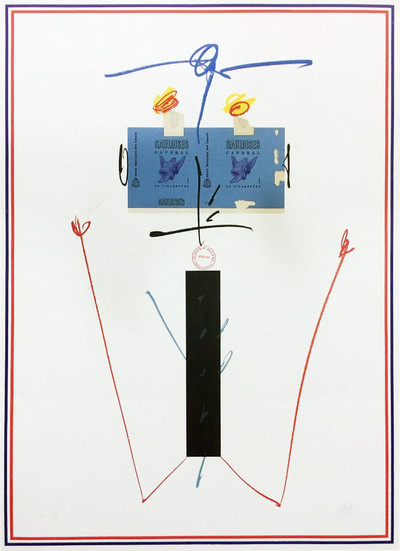
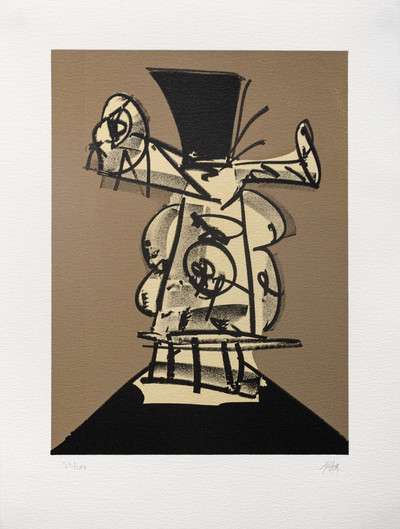
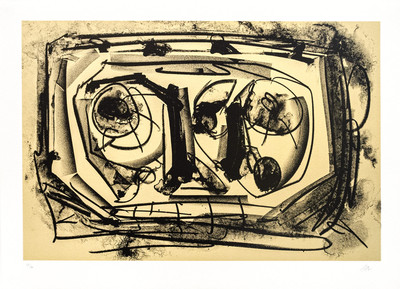
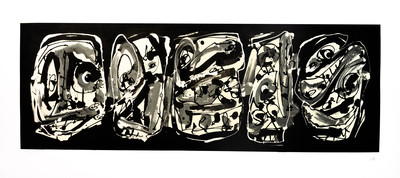
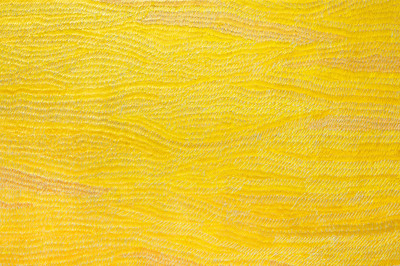

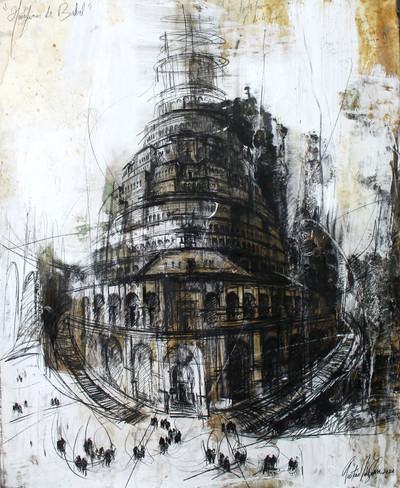
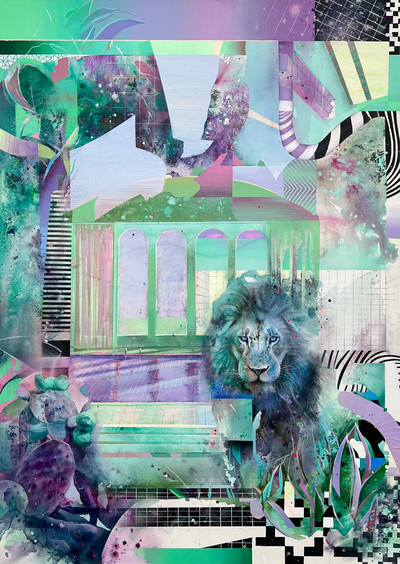
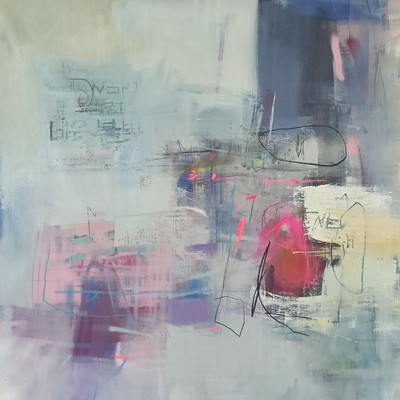
Acrílico, rotulador, lápices, spray sobre tabla
140 x 100 cm
€6,050.00
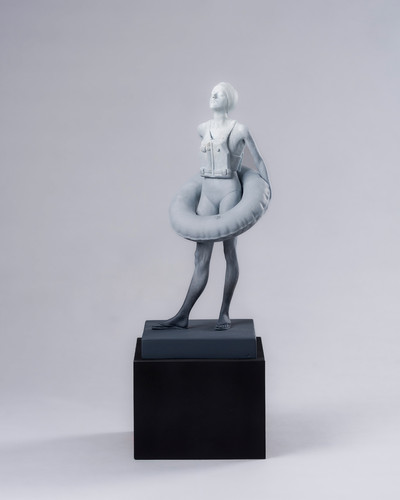
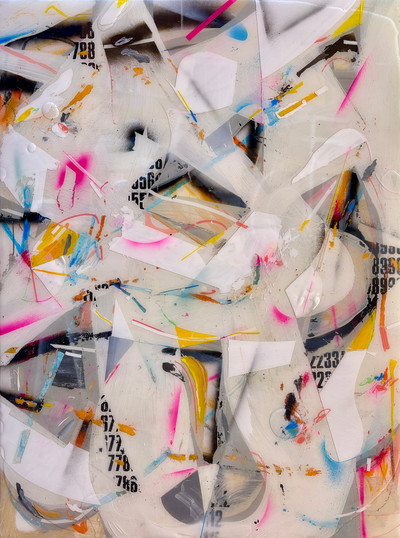
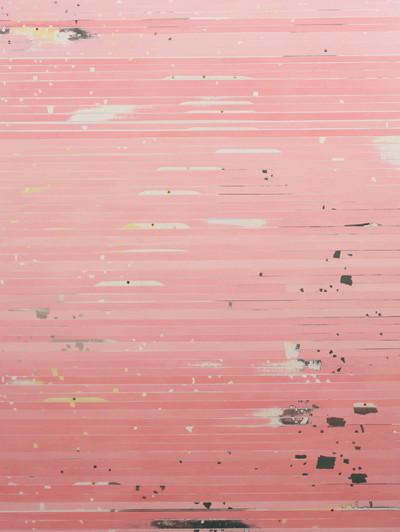
Acrílico, óleo, spray, collage, pintura y resina sobre tabla
80 x 60 cm
€1,700.00
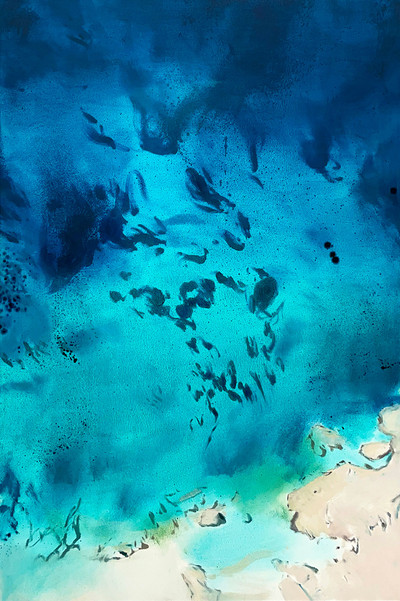
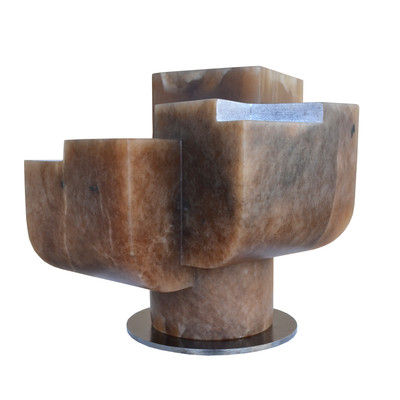
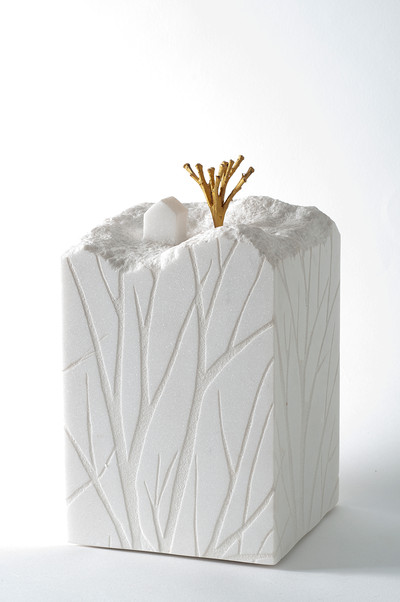

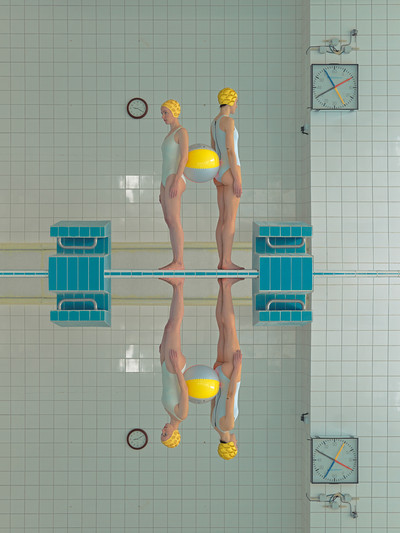
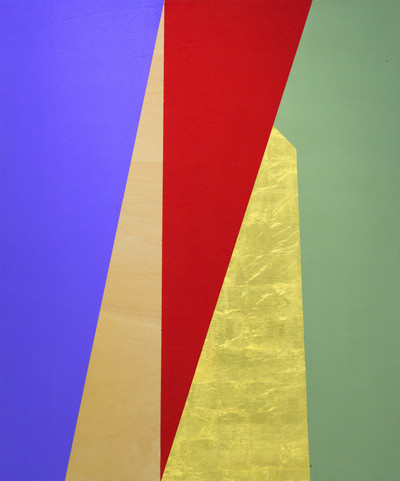
Caseína, cola de conejo y oro 22 quilates sobre madera
120 x 100 x 4 cm
€4,900.00
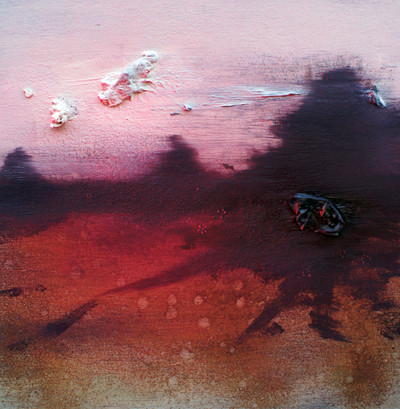
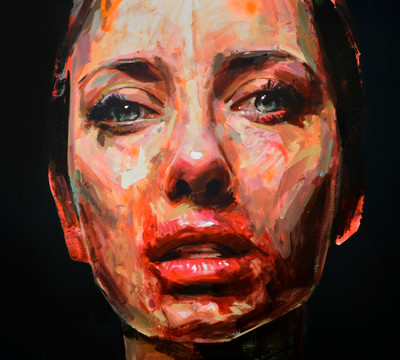
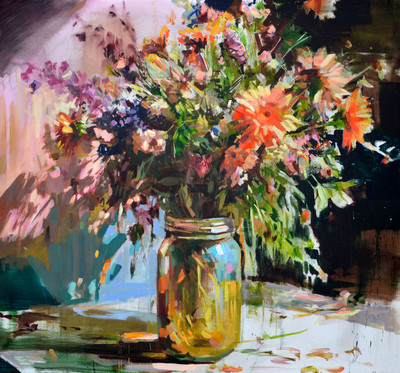
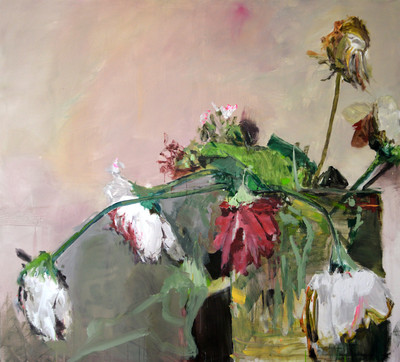

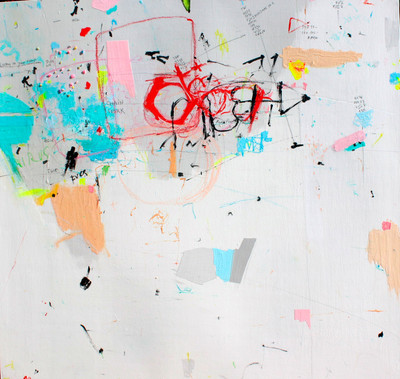
Grafito, carbón, lapices de color y agua cola sobre papel montado en panel de madera
73 x 54 cm
€3,030.00

Grafito, carboncillo y acrílico sobre papel montado en panel de madera
73 x 54 cm
€2,790.00
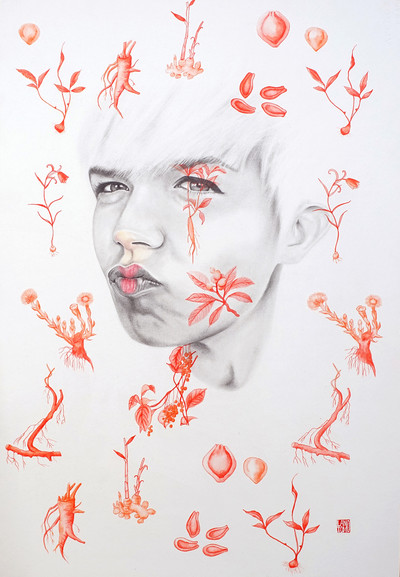
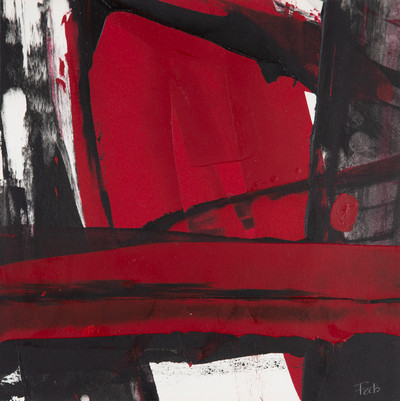
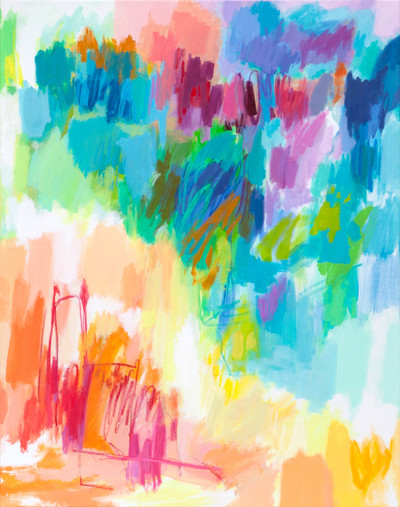
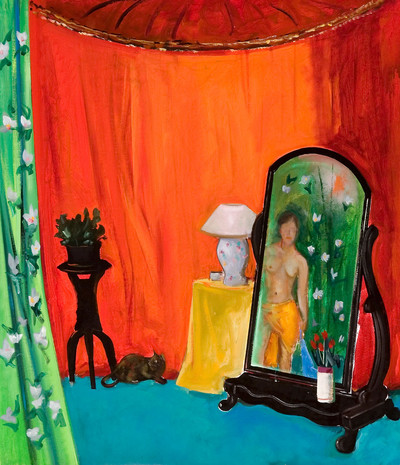
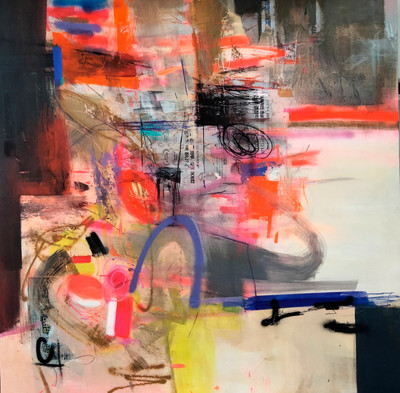
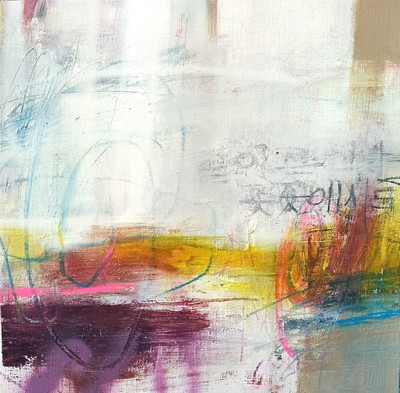
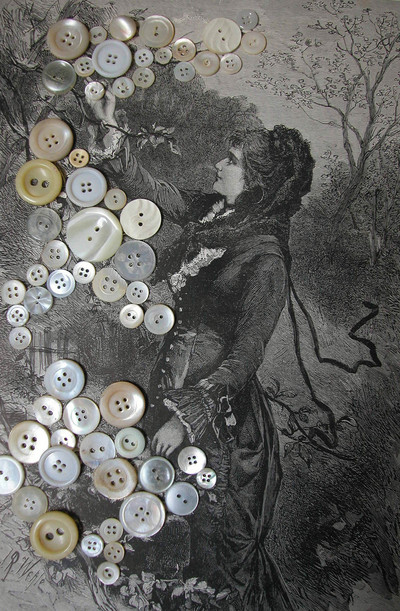
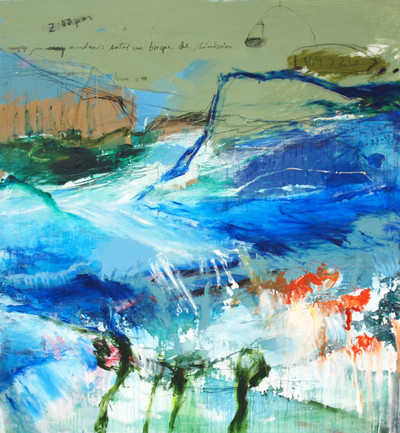
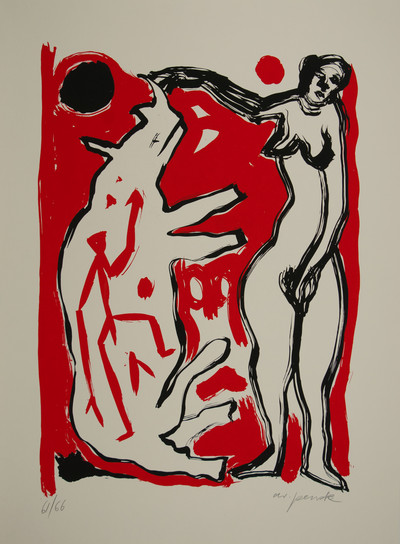
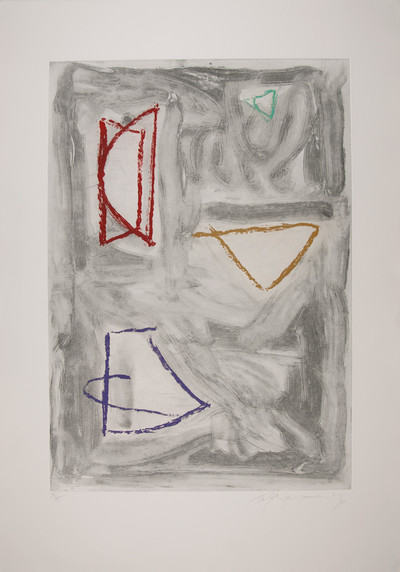
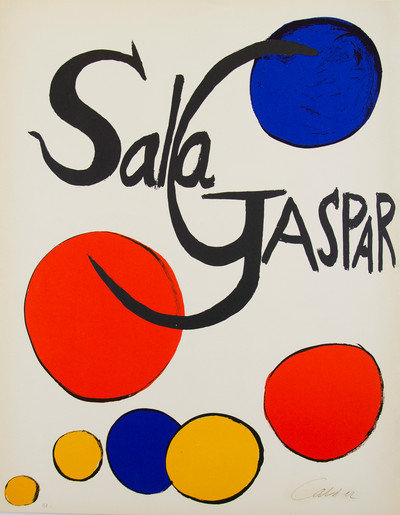
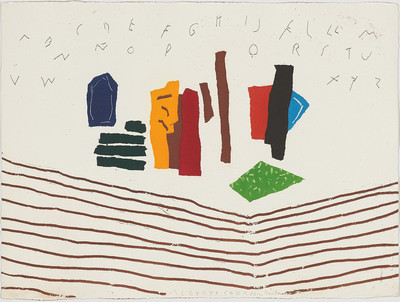
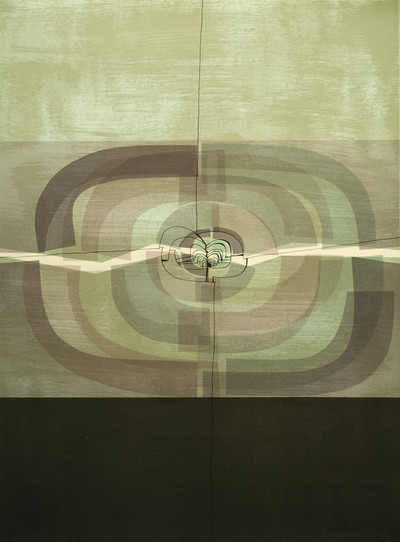
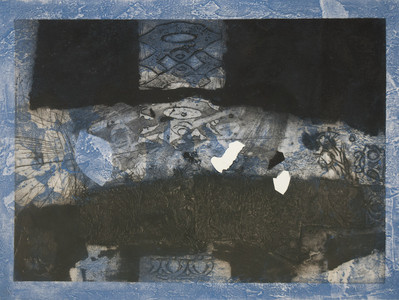
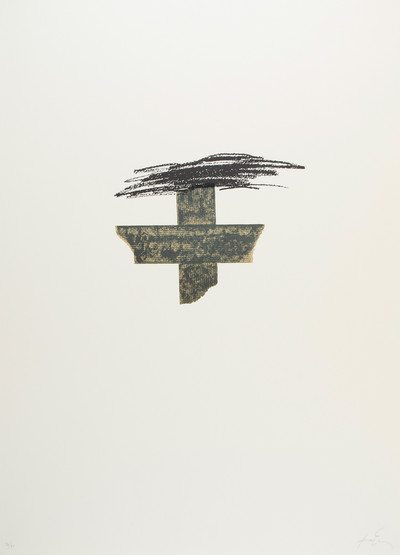
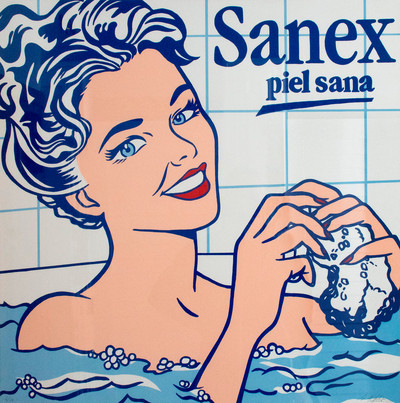
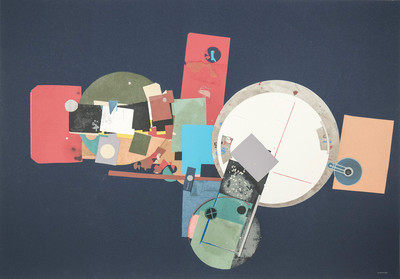
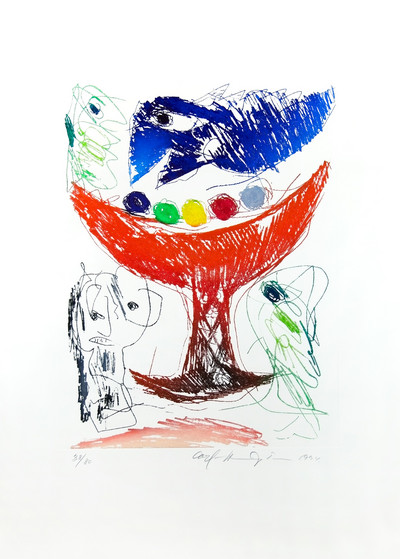
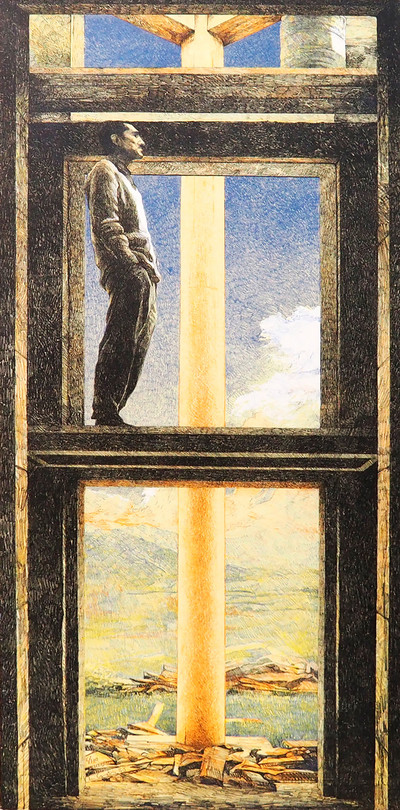
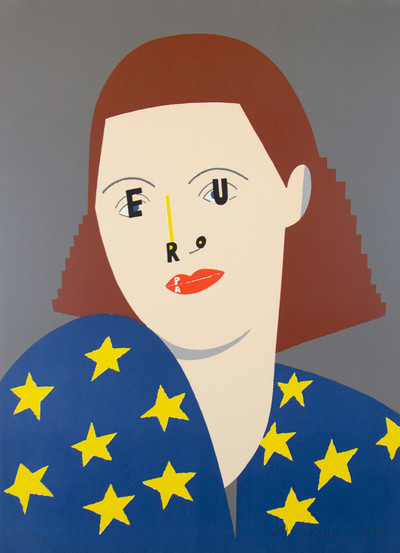
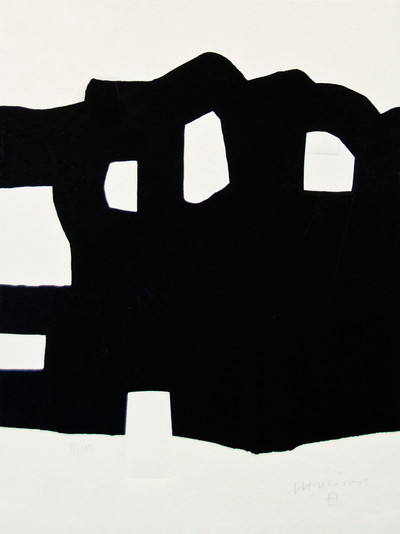
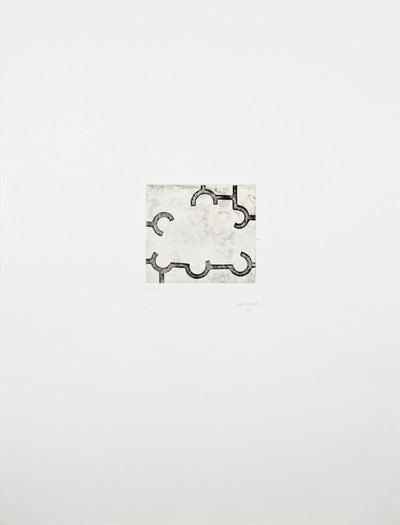
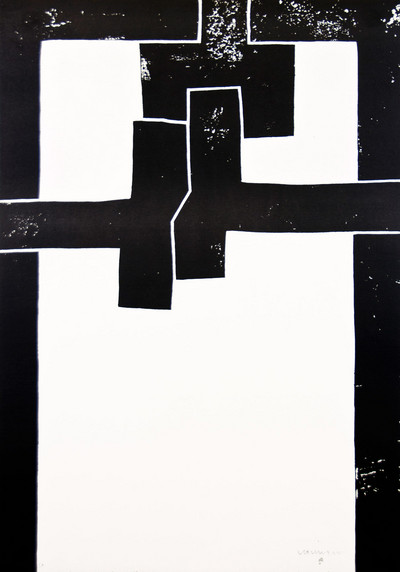
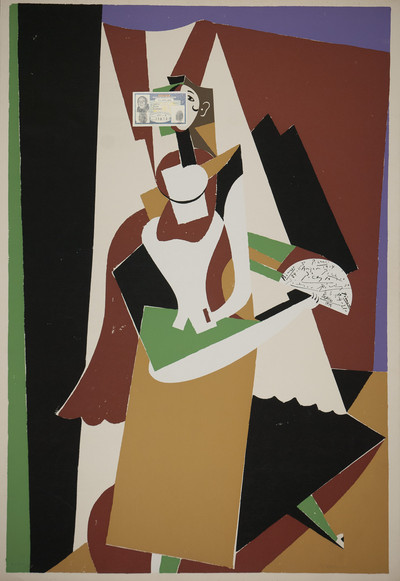
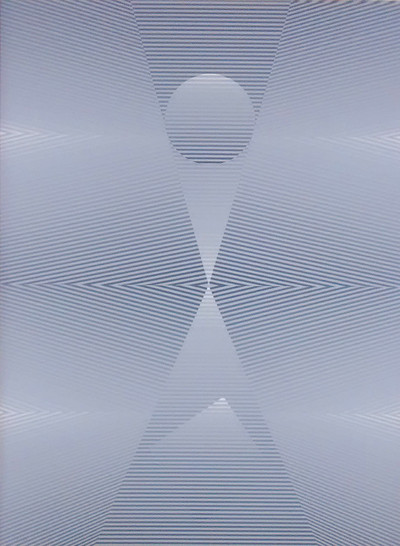
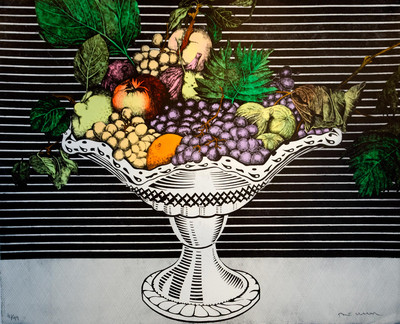
Aguafuerte iluminado
117 x 97 cm
€1,580.00
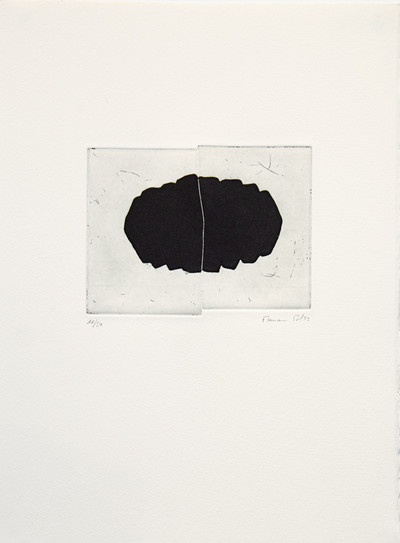
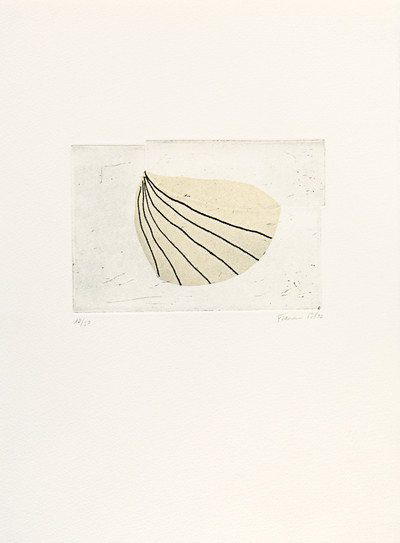
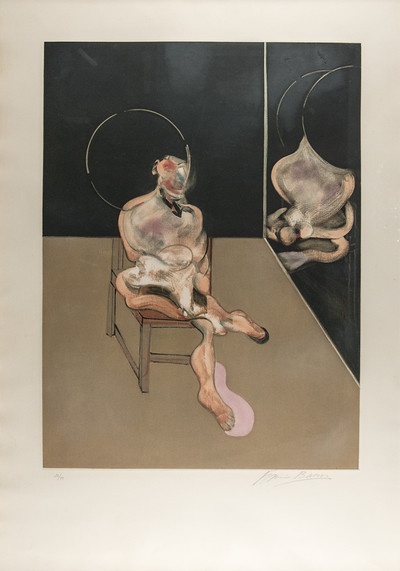
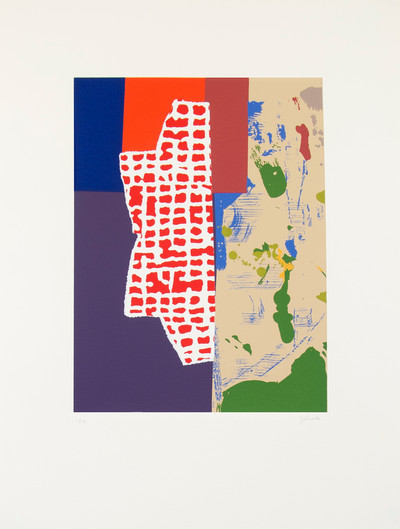
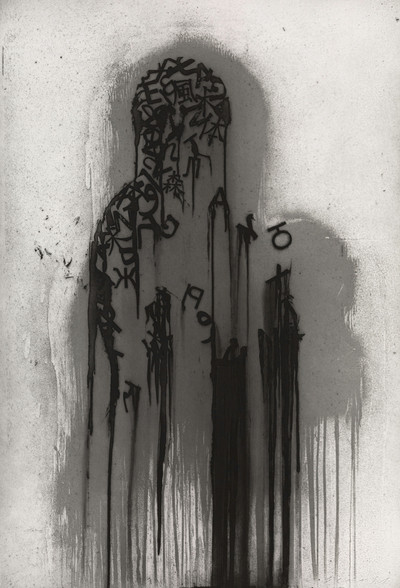
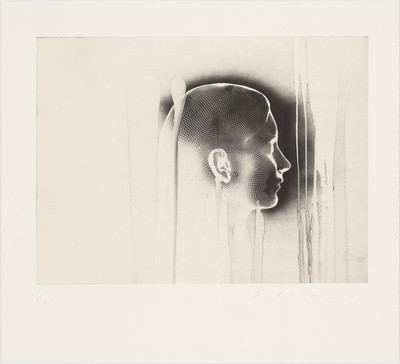
Grabado sobre plancha de polímero fotosensible y Chine-collé sobre papel
65 x 71 cm
€2,750.00
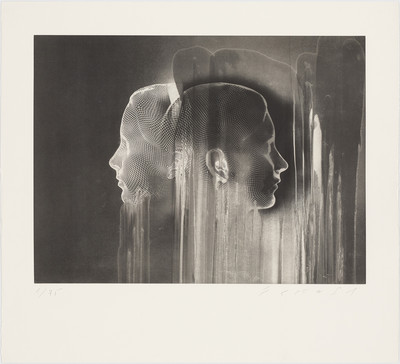
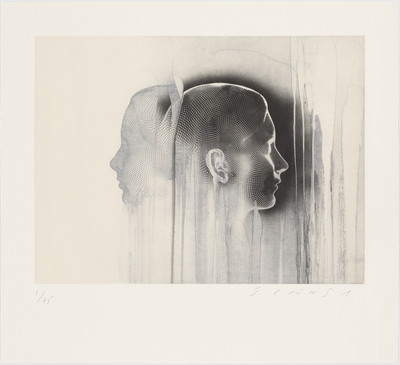
Grabado sobre plancha de polímero fotosensible y Chine-collé sobre papel
65 x 71 cm
€2,750.00