Delivery term:
Certificate of authenticate: Signed by the gallery seller
Purchasing process: 100% security

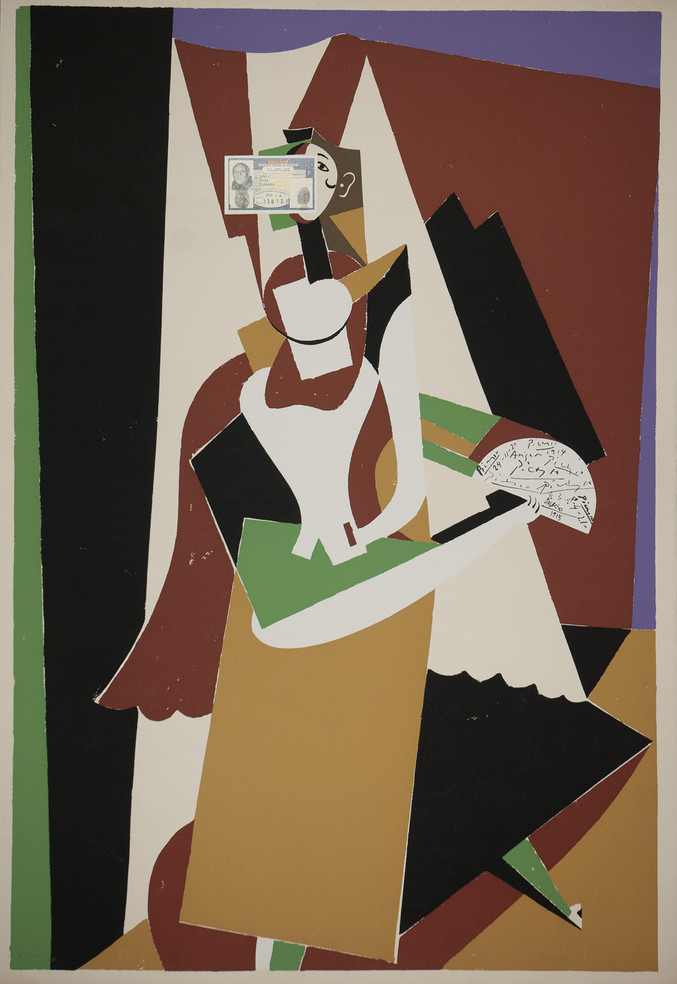
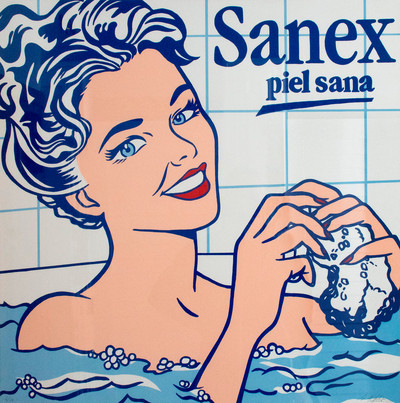
€8,470.00
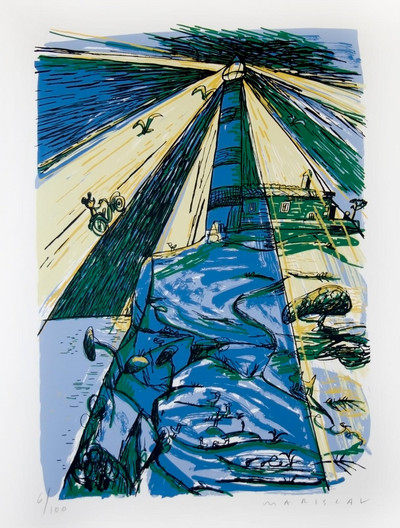
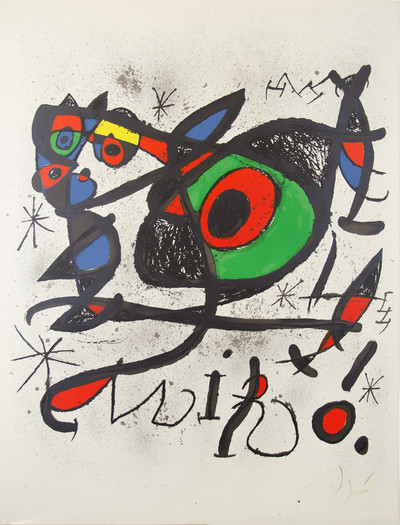
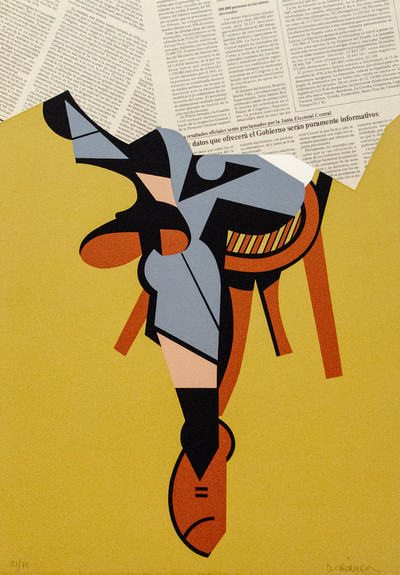
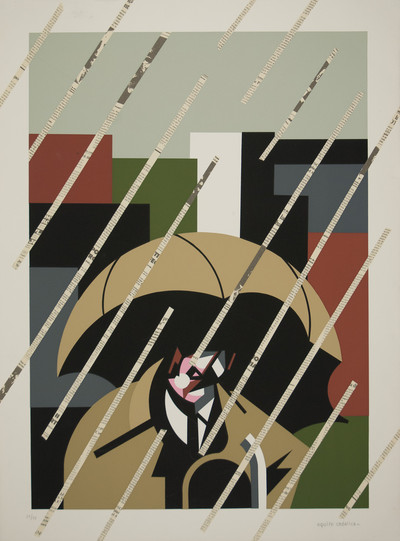
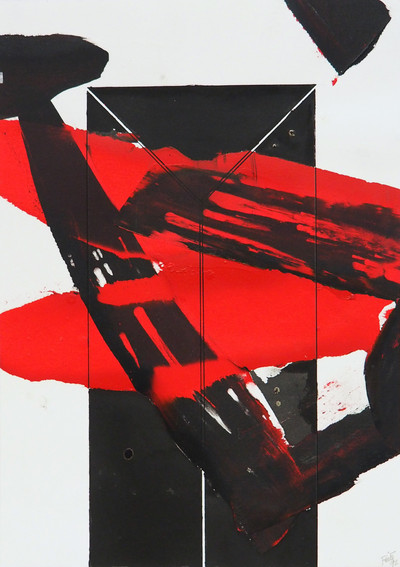
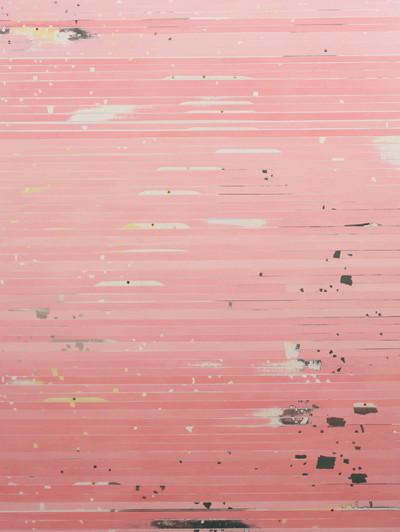
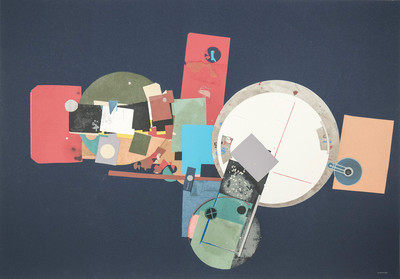
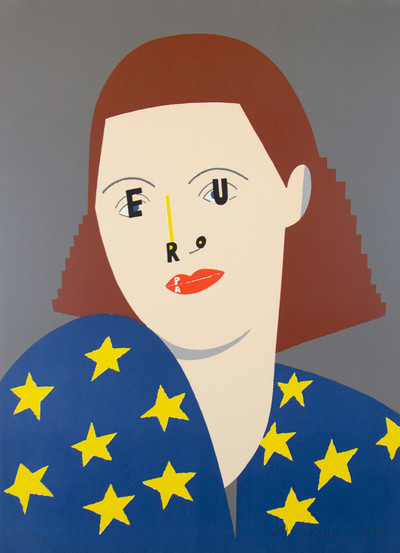
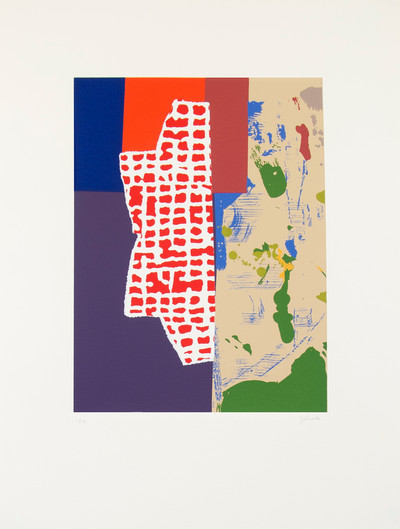
Serigraphy
112 x 77 cm
Delivery term:
Certificate of authenticate: Signed by the gallery seller
Purchasing process: 100% security
This artwork is available and will be delivered after the confirmation of your order. The transport includes the insurance for the value of the piece with full coverage of any incident.
You can pay by credit card, debit card or bank transference. The payment is completely secure and confidential, all the purchasing processes in Art Madrid MARKET are protected by a security protocol under an encrypted SSL certificate and 3DSecure by Visa and MasterCard.
You have 14 days to find the perfect place for your artwork. If you change your mind, you can return it and we will reimburse the price you paid. You will only have to bear the shipping costs of the return.

Valencia, 1964
Equipo Crónica (Valencia, 1964–1981) was a Spanish artistic collective initially formed by Rafael Solbes (Valencia, 1940-1981), Manolo Valdés (Valencia, 1942), and Juan Antonio Toledo (1940-1995), although the latter soon left the group. The collective emerged from the theoretical proposals of Tomás Llorens and developed during the final years of the Franco regime and the transition to democracy.
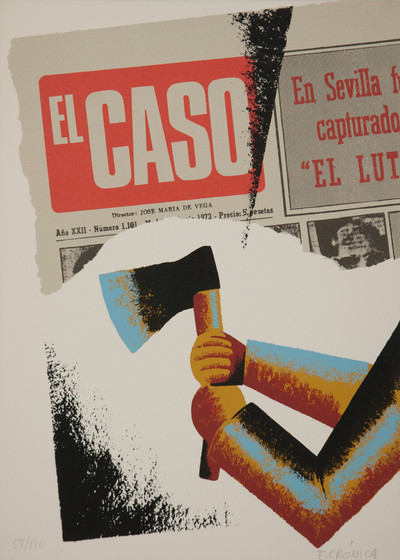
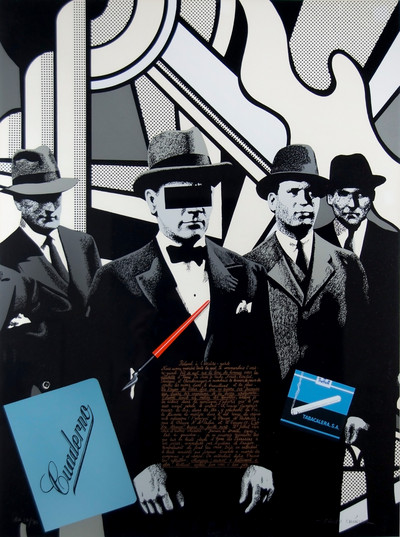
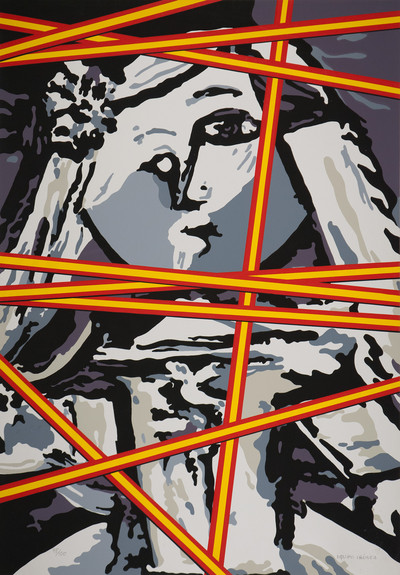
Linked to Pop Art and critical figuration, the group developed a body of work deeply engaged with the political, social, and cultural analysis of Spain during the Franco era and the Transition. Their work was created collaboratively and rejected the assumptions of Informalism and Abstract Expressionism. It is characterized by the appropriation of images from art history, the media, and popular culture, reinterpreted with irony and strong critical content. Through painting, printmaking, and silkscreen, Equipo Crónica challenged official narratives and power structures, becoming one of the key references of political art in 20th-century Spain.
Their work has been exhibited in major international museums and collections and remains essential for understanding the renewal of figuration and artistic engagement in the contemporary European context.

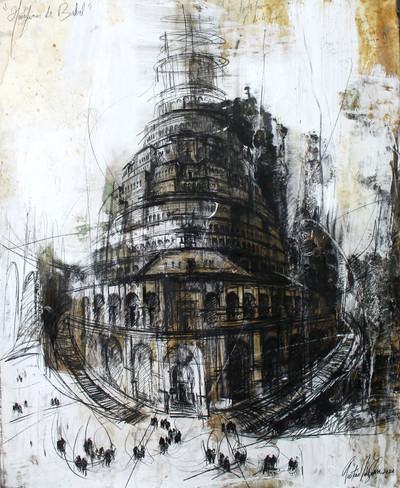
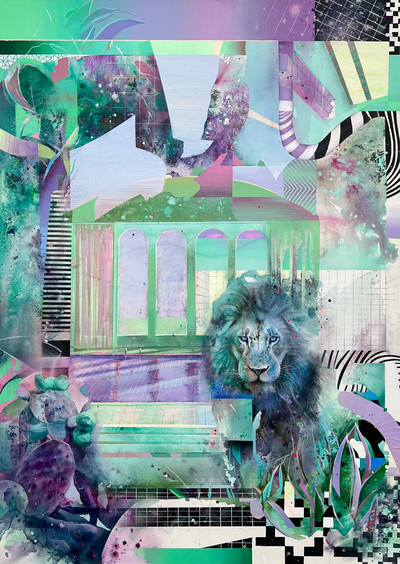
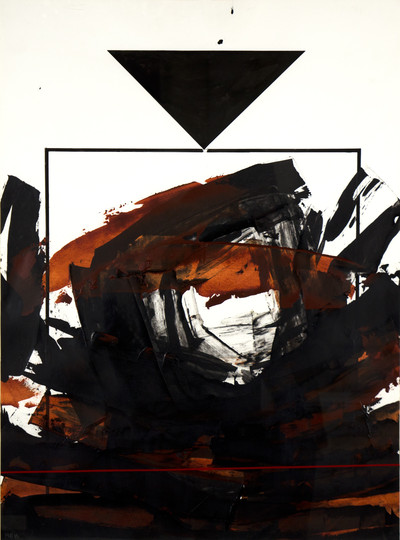
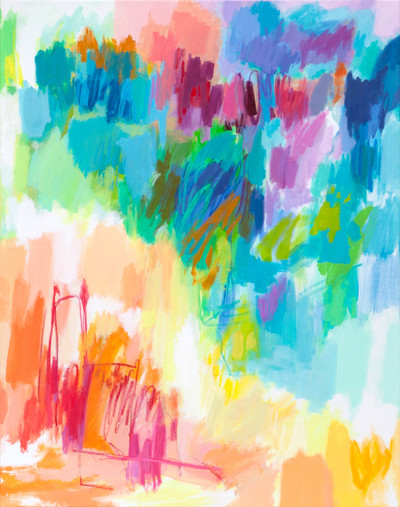
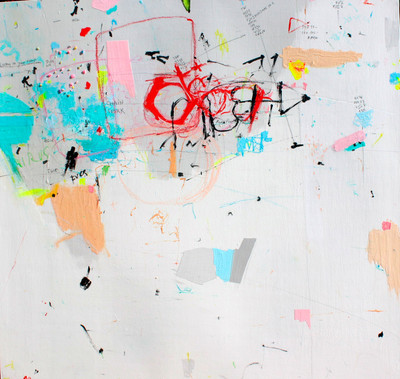
Acrílico, rotulador, lápices, spray sobre tabla
140 x 100 cm
€6,050.00
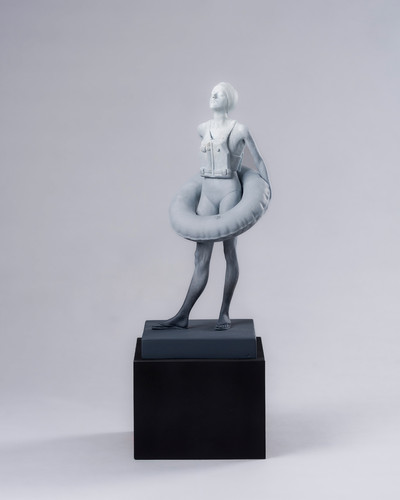
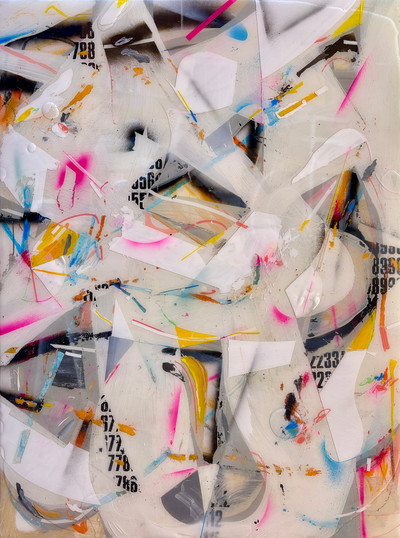
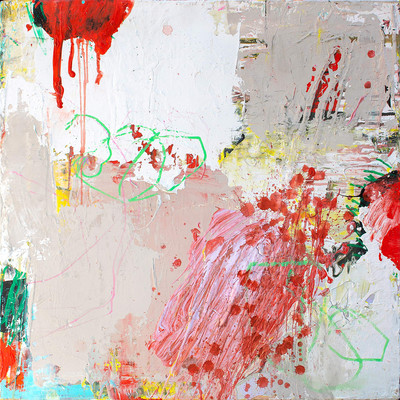
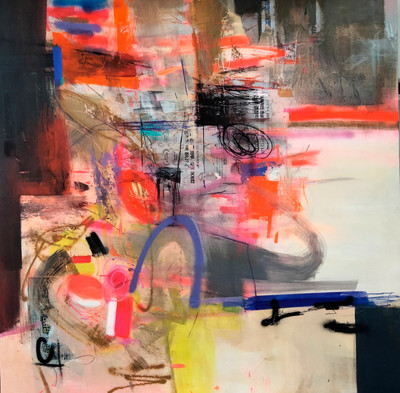
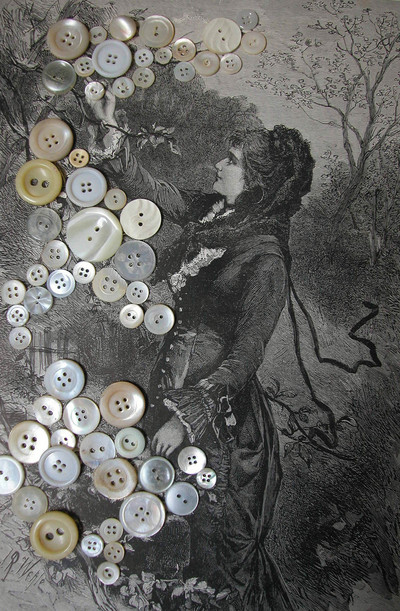
Acrílico, óleo, spray, collage, pintura y resina sobre tabla
80 x 60 cm
€1,700.00
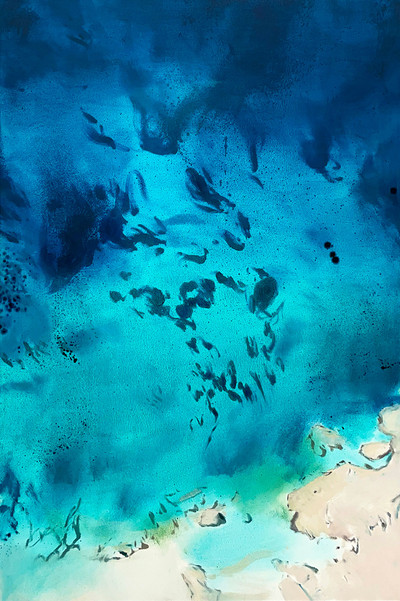



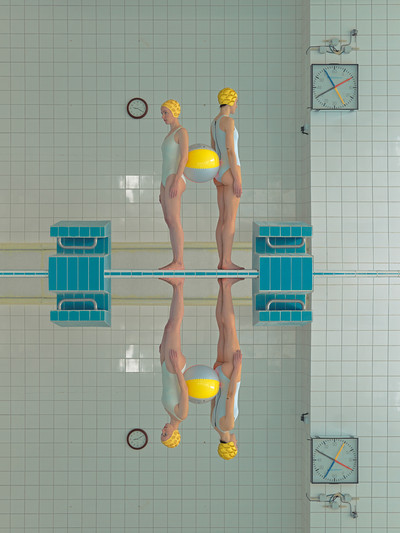
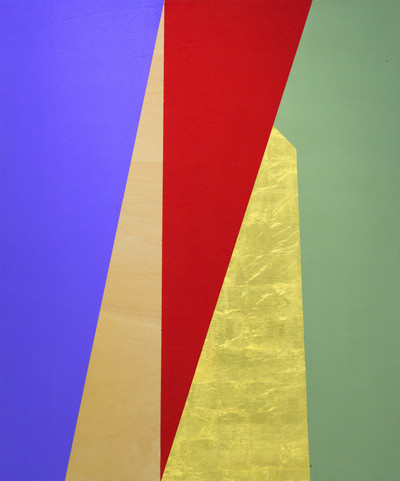
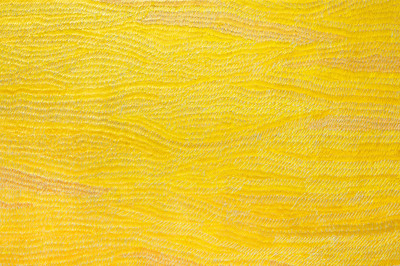
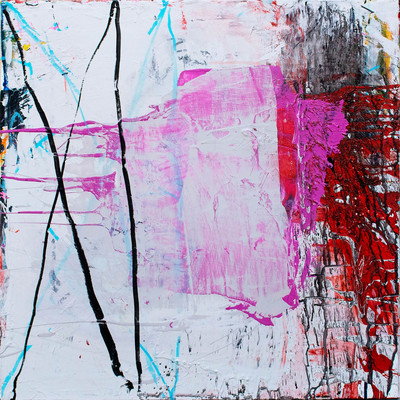
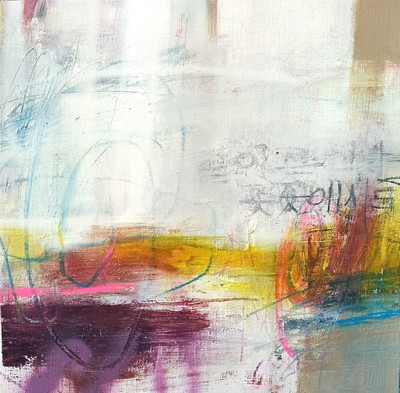
Caseína, cola de conejo y oro 22 quilates sobre madera
120 x 100 x 4 cm
€4,900.00
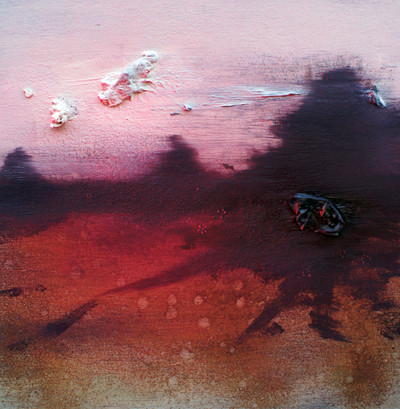
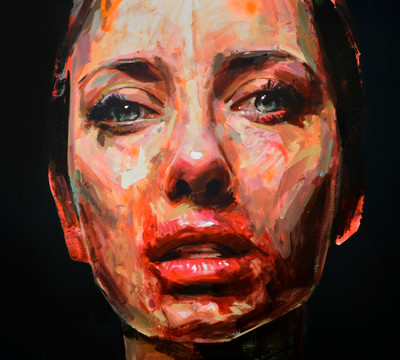
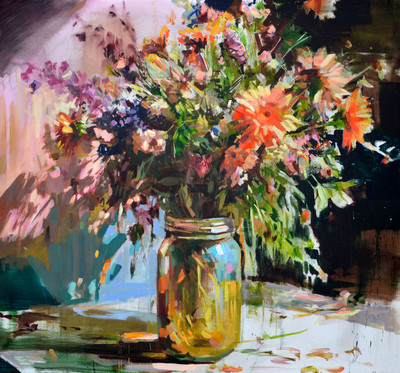
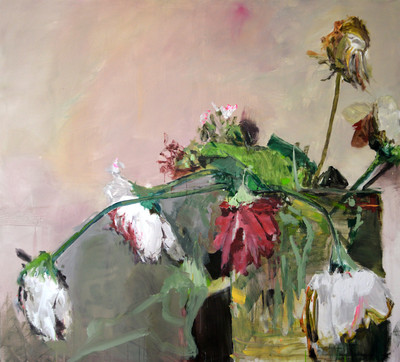

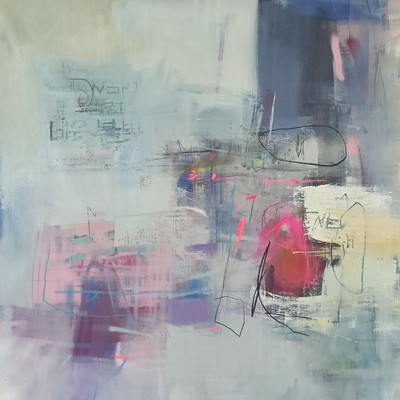
Grafito, carbón, lapices de color y agua cola sobre papel montado en panel de madera
73 x 54 cm
€3,030.00

Grafito, carboncillo y acrílico sobre papel montado en panel de madera
73 x 54 cm
€2,790.00
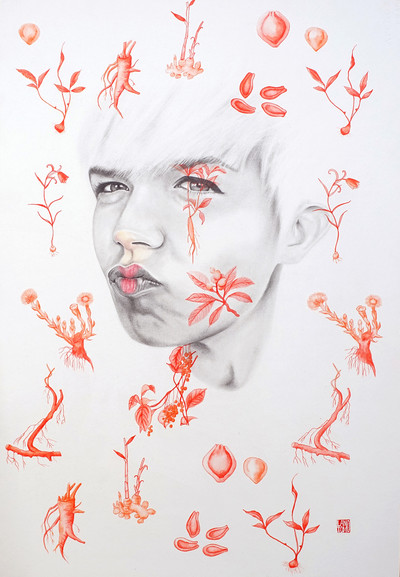
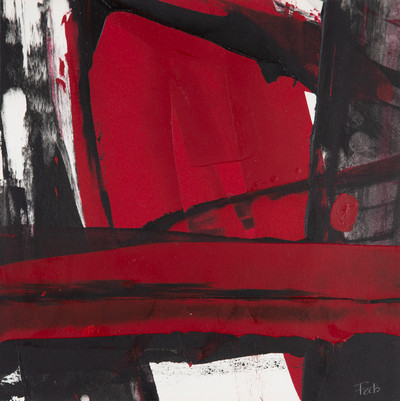

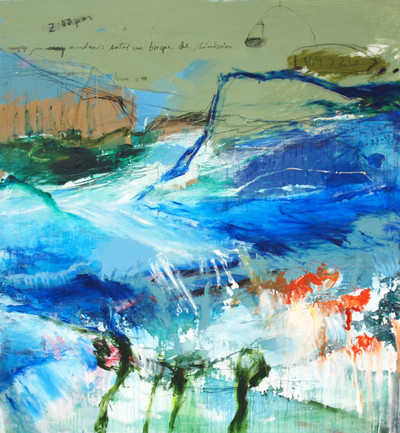
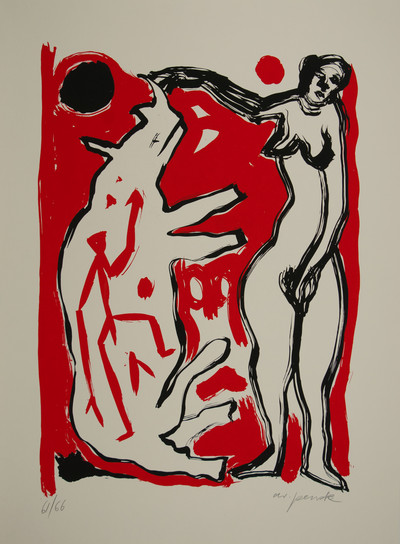
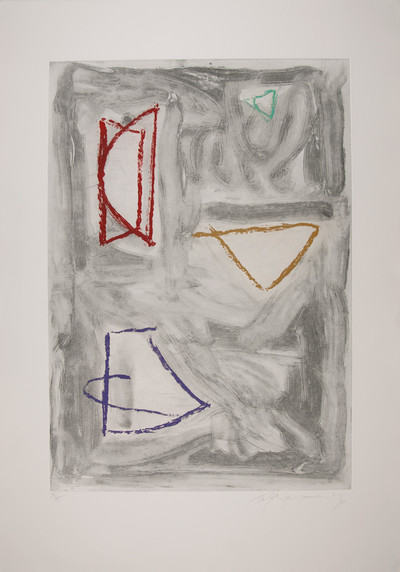
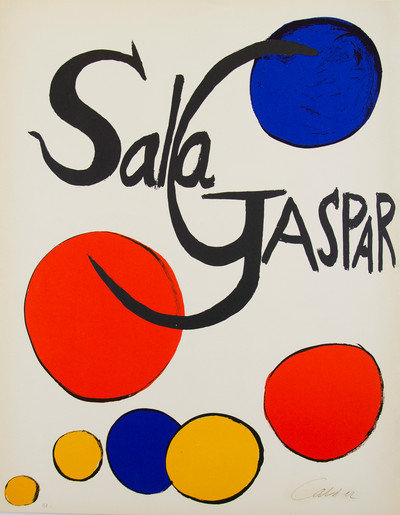
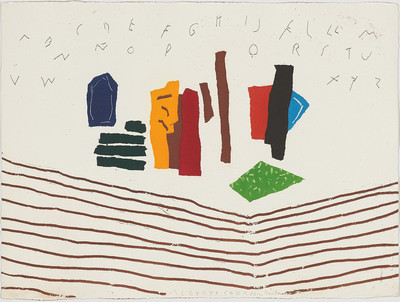
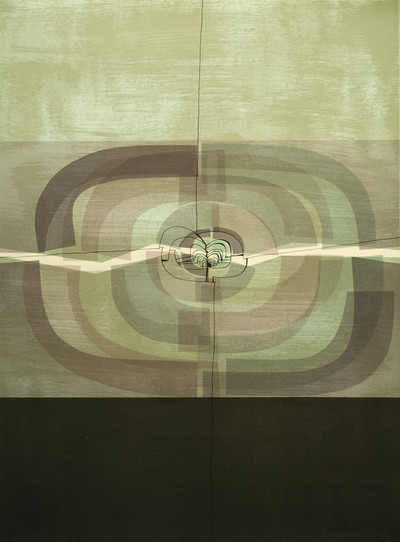
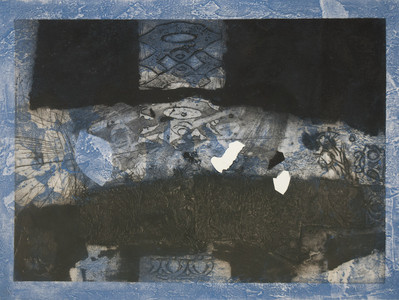
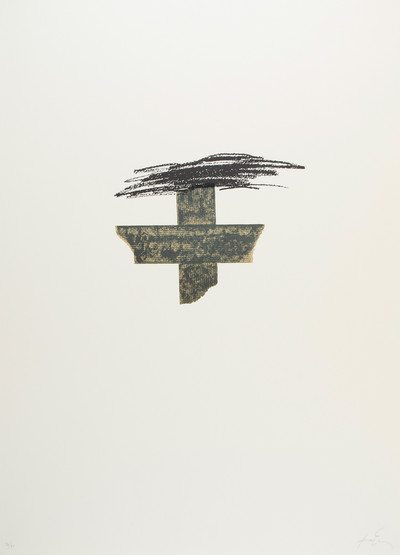
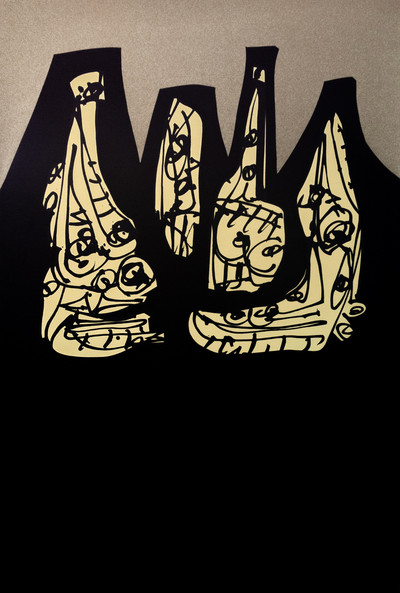
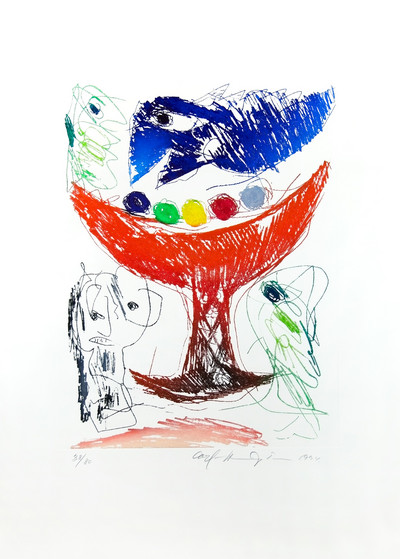
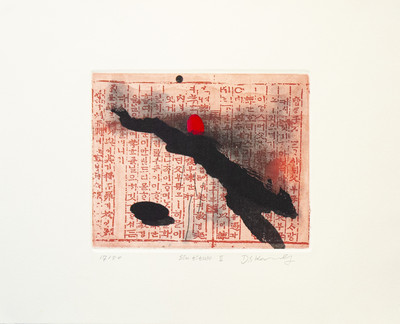
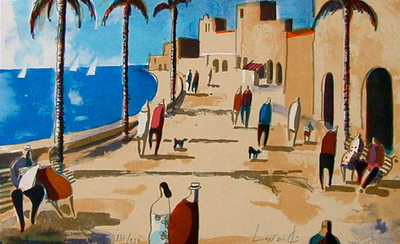

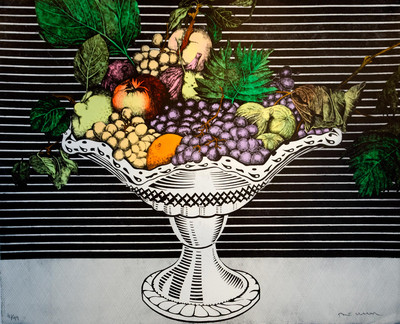
Aguafuerte iluminado
117 x 97 cm
€1,580.00
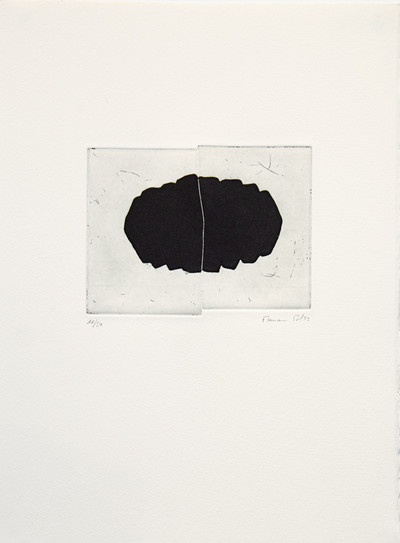
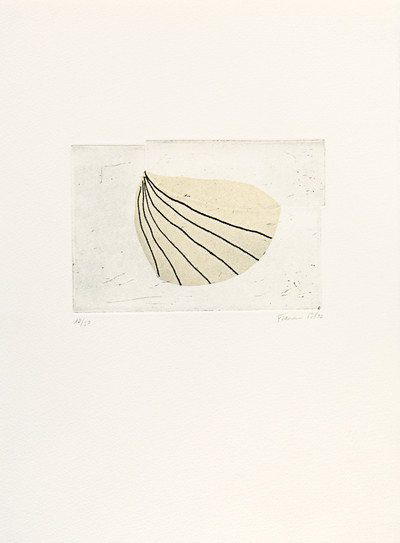
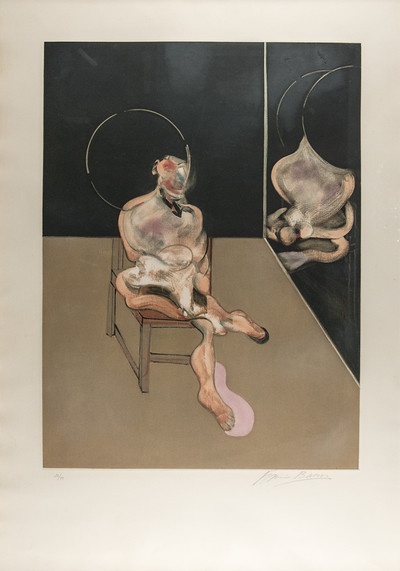
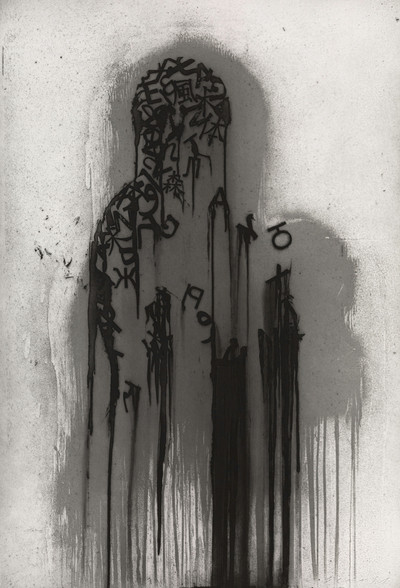
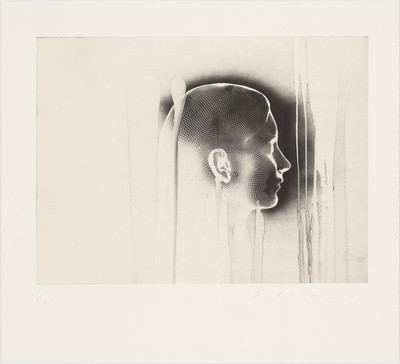
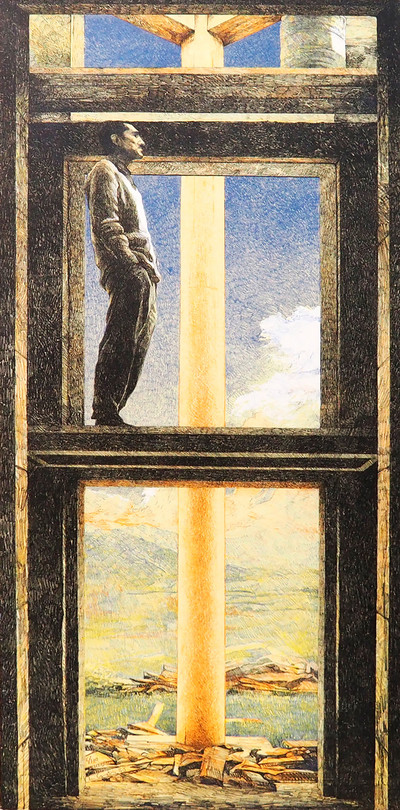
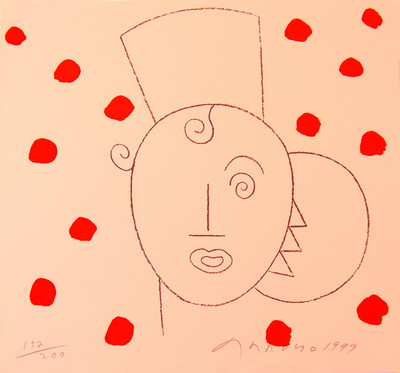
Grabado sobre plancha de polímero fotosensible y Chine-collé sobre papel
65 x 71 cm
€2,750.00
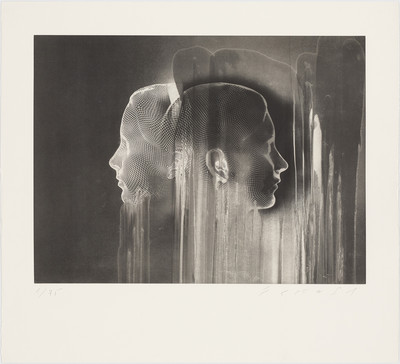
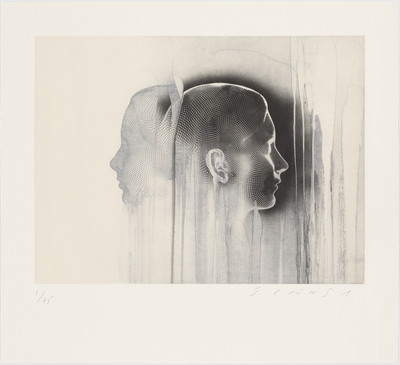
Grabado sobre plancha de polímero fotosensible y Chine-collé sobre papel
65 x 71 cm
€2,750.00